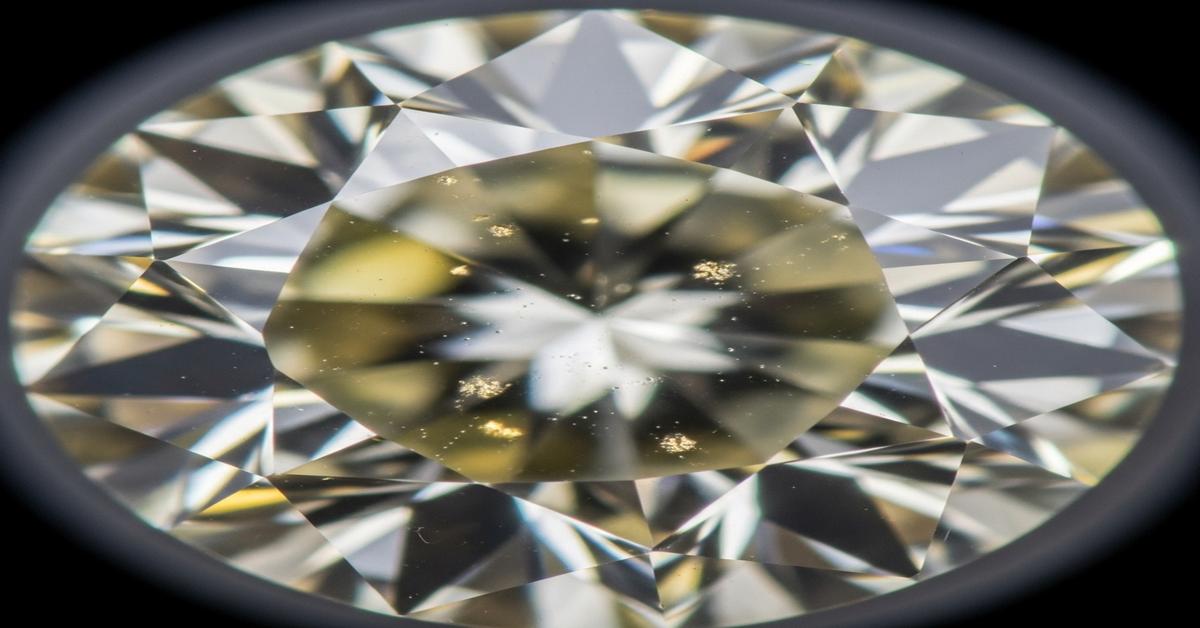
Choosing the right diamond means balancing look, durability, and price. Color and clarity are two of the “Four Cs.” They determine how white a diamond appears and how free it is from internal flaws. This guide explains the practical difference between grades like VVS1 and SI2, shows when those grades matter, and gives clear recommendations you can use when shopping.
How color and clarity are graded
Color for white diamonds is graded from D (colorless) to Z (noticeable yellow/brown). Each step is a small but real change. In practice:
- D–F: Colorless. Best for the purest white look.
- G–H: Near-colorless. Often looks identical to D–F once mounted in white metal; better value.
- I–J: Slight warmth begins to show in large stones or in white settings.
- K–Z: Noticeable warmth; pairs well with yellow gold.
Clarity describes internal inclusions and surface blemishes. Standard scale: FL, IF, VVS1, VVS2, VS1, VS2, SI1, SI2, I1–I3. Grades refer to how visible inclusions are under 10× magnification and to the naked eye. Examples:
- VVS1–VVS2: Very, very slight inclusions. Hard to see even at 10× magnification. High cost.
- VS1–VS2: Very slight inclusions, usually invisible to the naked eye.
- SI1–SI2: Inclusions are more apparent under magnification and sometimes visible to the naked eye, depending on size, location, and cut.
- I1–I3: Inclusions are visible without tools and may affect durability.
VVS1 vs SI2 — what those grades actually mean
VVS1 means the diamond has extremely small inclusions that are very difficult to see even to a trained grader at 10×. Typical inclusions: tiny pinpoints or very small feathers near the girdle or pavilion. If you want a diamond that’s essentially guaranteed to be eye-clean even at larger sizes, VVS1 is safe.
SI2 means the diamond has more obvious inclusions under 10×. Some SI2 stones are “eye-clean” — that is, you won’t see the inclusion without magnification. Others will show a dark carbon spot, feather, or crystal visible from the table (top). SI2 covers a range: one SI2 can look nearly clean, another can show a clear dark inclusion.
Why cut matters more than small jumps in color or clarity
Cut controls light return. A well-cut diamond looks bright and lively and can mask slight color or small inclusions. That’s why most professionals say: prioritize cut first, then color, then clarity. For example:
- A 1.00 ct round brilliant, well-cut, graded G and VS2, will usually look better than a poorly cut D with VVS1 clarity.
- For step cuts (emerald, asscher), clarity is more visible because these cuts have large, open facets that reveal inclusions. You may need VS1 or better for an emerald cut to be truly eye-clean.
Practical recommendations by situation
- Everyday engagement ring, classic round brilliant (0.5–1.5 ct): Choose cut first, then color G–H and clarity VS2–SI1 if the diamond is eye-clean. This balances look and price.
- Budget-minded buyer: Look for an eye-clean SI1 or SI2 in a round brilliant. Check 10× images or see the diamond mounted. Avoid SI2 if the inclusion sits in the table and is dark.
- Large diamonds (≥1.5 ct): Inclusions and color show more. Move clarity to VS1–VVS2 if you want assurance of eye-clean across sizes. For color, aim for F–G in white metals at these sizes.
- Emerald or asscher cut: Favor clarity VS1 or better because inclusions are exposed by the large facets.
- Yellow gold settings: You can accept lower color (I–K) because the warm metal masks diamond warmth.
- White gold/platinum: Choose higher color (G–F) for the whitest look. Note: 14k white gold is about 58.5% gold alloyed with other metals and often rhodium-plated for a bright white finish; 18k is 75% gold and may show a warmer tint under plating wear.
How to decide between VVS1 and SI2 for your purchase
Ask three specific questions about any diamond you’re considering:
- Can I see a 10× image or the loupe plot? The location and type of inclusion tell you whether it will be visible to the eye. A black crystal in the center is more noticeable than a small feather near the girdle.
- Is the diamond eye-clean? If the seller can guarantee a viewing or returns policy after seeing the mounted stone, that reduces risk with SI grades.
- What is the cut grade and table depth? A well-proportioned cut (for round brilliants, a diameter ~6.5 mm for 1 ct, ideal table 54–58%, depth 59–62%) will maximize sparkle and hide minor flaws.
Best-value chart — quick reference
- Top visual quality (no compromises): Color D–F, Clarity VVS1–VS1.
- Best value for most buyers: Color G–H, Clarity VS2–SI1 (round brilliant).
- Budget with good appearance: Color I–J in yellow gold, Clarity SI1–SI2 if eye-clean.
- Step cuts and show-stopping large stones: Color F–G, Clarity VS1–VVS1.
Final practical steps before buying
- Insist on a reliable certificate (GIA or AGS are industry standards). The report shows color, clarity, and inclusion plot.
- View the diamond in the metal you’ll wear. A stone can look very different set in yellow gold vs. platinum.
- Request a 10× image or video, or see the diamond under a loupe. Look for dark spots in the table area for SI2 grades.
- Prioritize cut grade, then apply the color/clarity recommendations above based on size and shape.
In short: VVS1 guarantees top clarity but costs significantly more. SI2 can be a smart value if the specific stone is eye-clean and well-cut. For most buyers, the best practical choices are a very good cut, color in the G–H range, and clarity VS2–SI1 — unless the shape or setting calls for stricter grades.

I am G S Sachin, a gemologist with a Diploma in Polished Diamond Grading from KGK Academy, Jaipur. I love writing about jewelry, gems, and diamonds, and I share simple, honest reviews and easy buying tips on JewellersReviews.com to help you choose pieces you’ll love with confidence.