The “Lizard Skin” Pattern: The Dead Giveaway of a Lab-Grown Opal, How to Spot the Unnatural Columnar Pattern.
Opal can look like magic. Flashes of color jump as you tilt the stone. But not all opal forms in nature. One of the…
Read articleI am Satyam Pandey, a gemologist with a Diploma in Polished Diamond Grading from KGK Academy, Jaipur. I love writing about jewelry, gems, and diamonds, and I share simple, honest reviews and easy buying tips on JewellersReviews.com to help you choose pieces you’ll love with confidence.
 Blog
Blog
Opal can look like magic. Flashes of color jump as you tilt the stone. But not all opal forms in nature. One of the…
Read article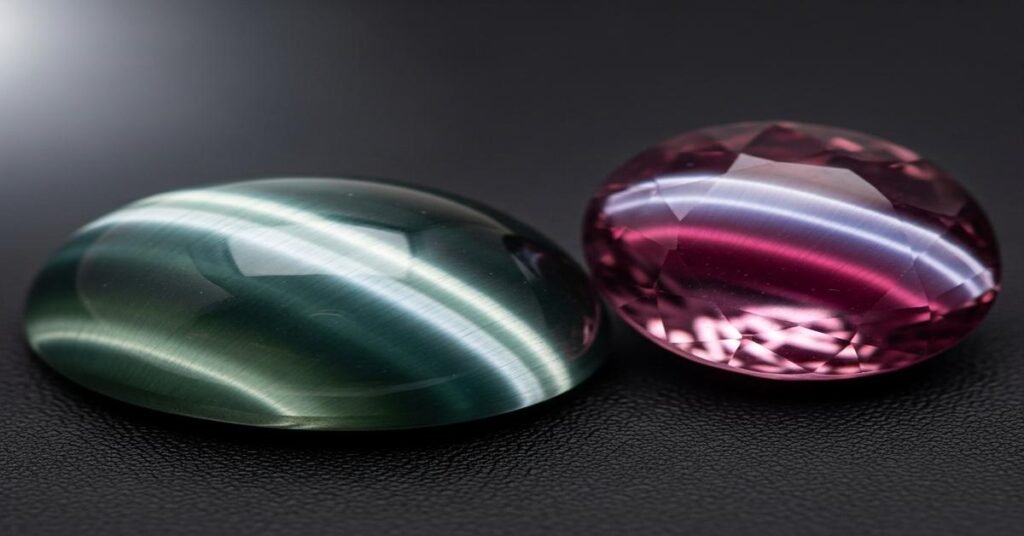 Blog
Blog
Cat’s eye alexandrite sits in the “almost mythical” tier of gemstones. It combines two rare effects—color change and chatoyancy—inside the same crystal. That rarity…
Read article Blog
Blog
Alexandrite’s color-change is magic. Under daylight it looks green; under warm light it turns red. Natural stones do this because of chromium in chrysoberyl’s…
Read article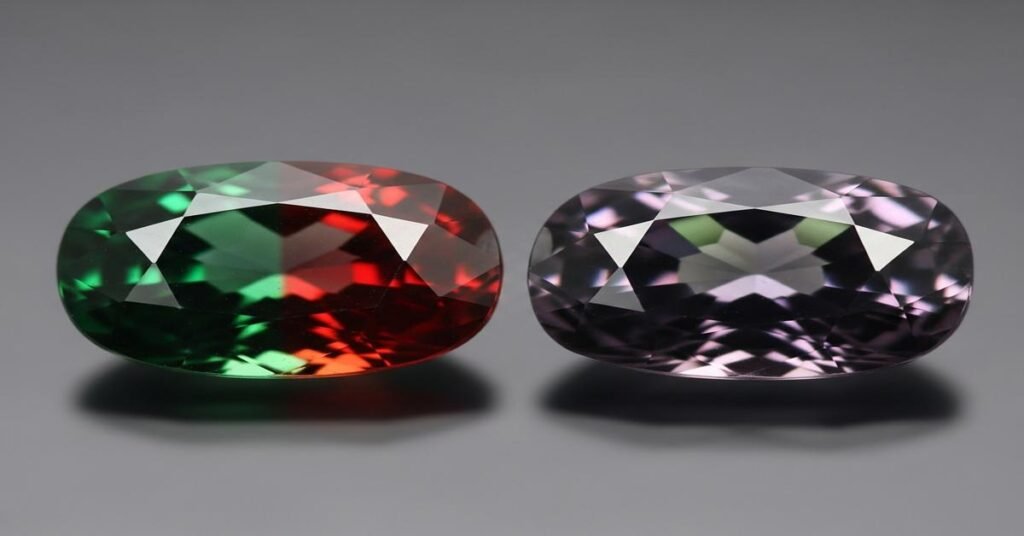 Blog
Blog
Alexandrite is famous for a dramatic color change. In daylight, it looks green. Under warm, incandescent light, it turns red. That “green to red”…
Read article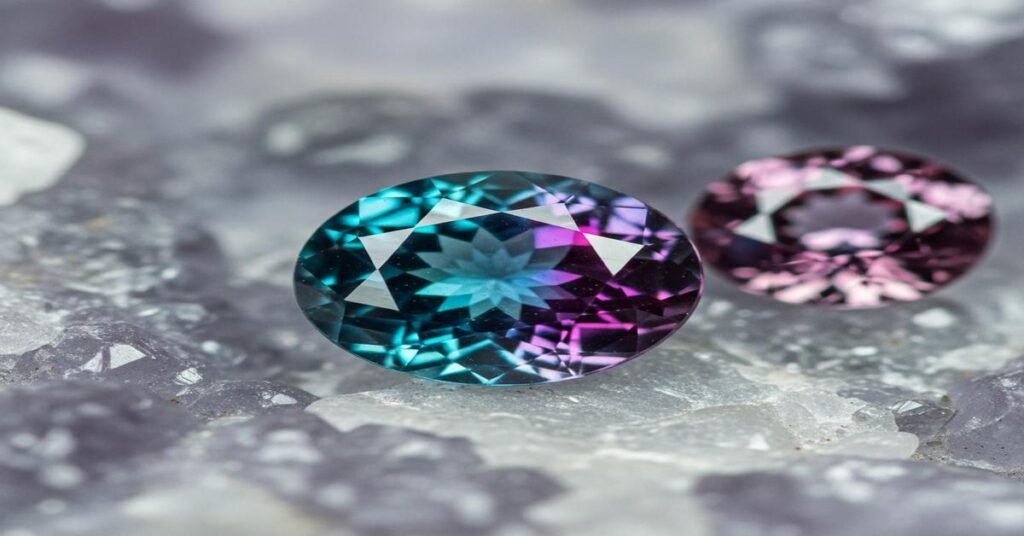 Blog
Blog
Natural alexandrite is one of the rarest gemstones on earth. Fine stones can sell for $10,000–$30,000 per carat, and exceptional pieces go far higher.…
Read article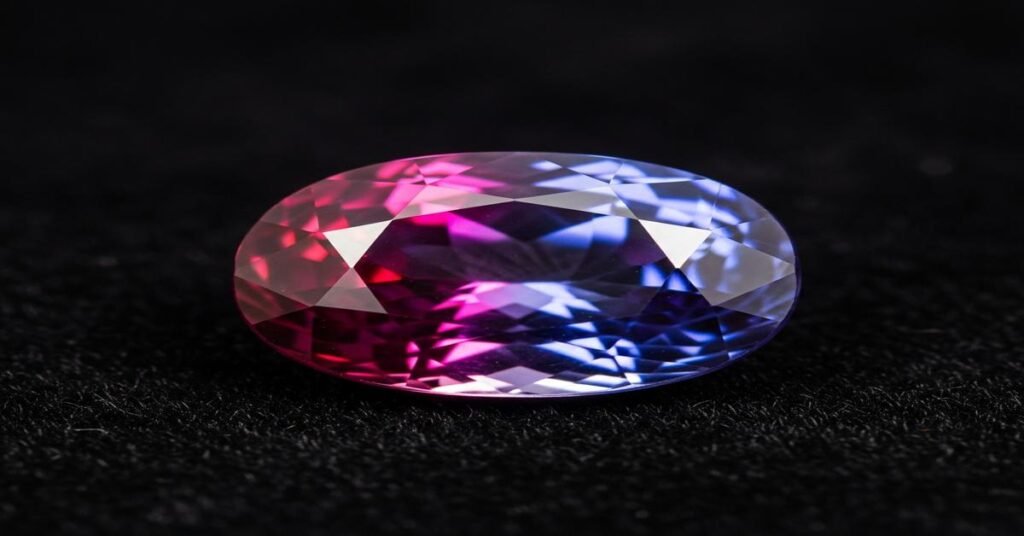 Blog
Blog
Jewelers love the phrase “lab-grown alexandrite.” It sounds exotic and rare, and it hints at the famous green-to-red color change that collectors chase. Here’s…
Read article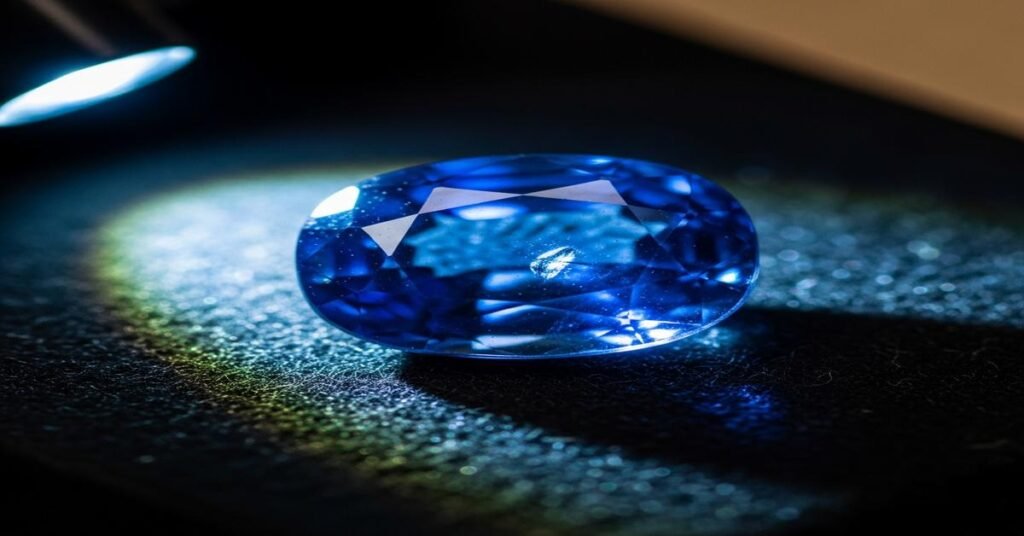 Blog
Blog
Real Kashmir sapphires are rare. Their price invites fakes, upgrades, and wishful thinking. Lately, I keep seeing “Kashmir sapphires” that look glassy—clean, sharp, and…
Read article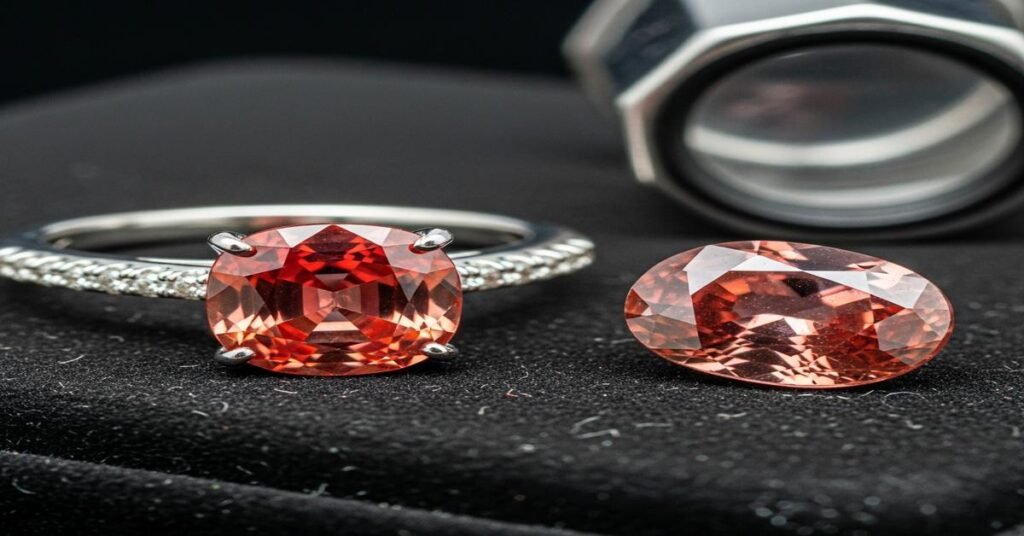 Blog
Blog
Padparadscha sapphires sit at the knife edge of color: a delicate mix of pink and orange that looks like a tropical sunset. That balance…
Read article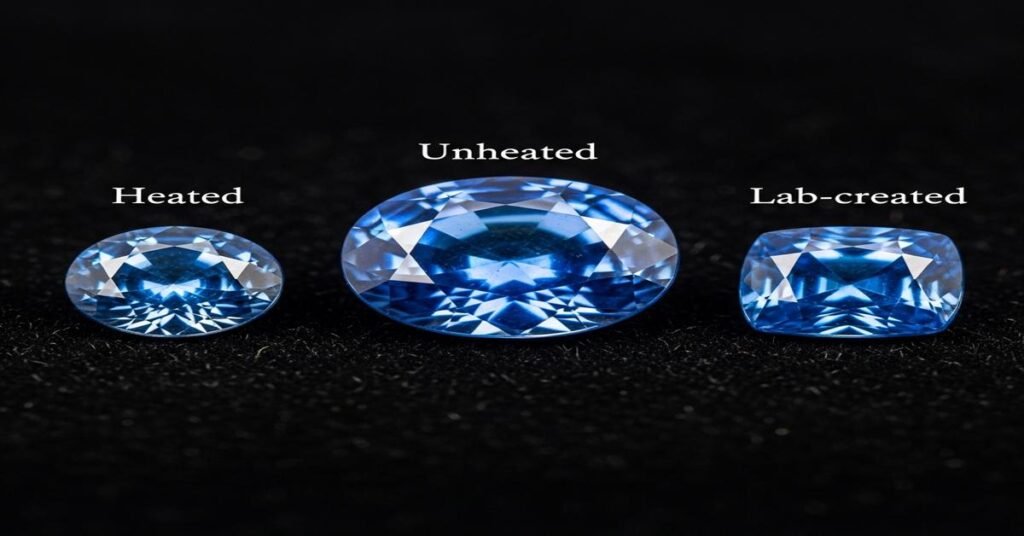 Blog
Blog
Shopping for a sapphire can feel like learning a new language. Sellers throw around terms like “heated,” “unheated,” and “lab” as if everyone knows…
Read article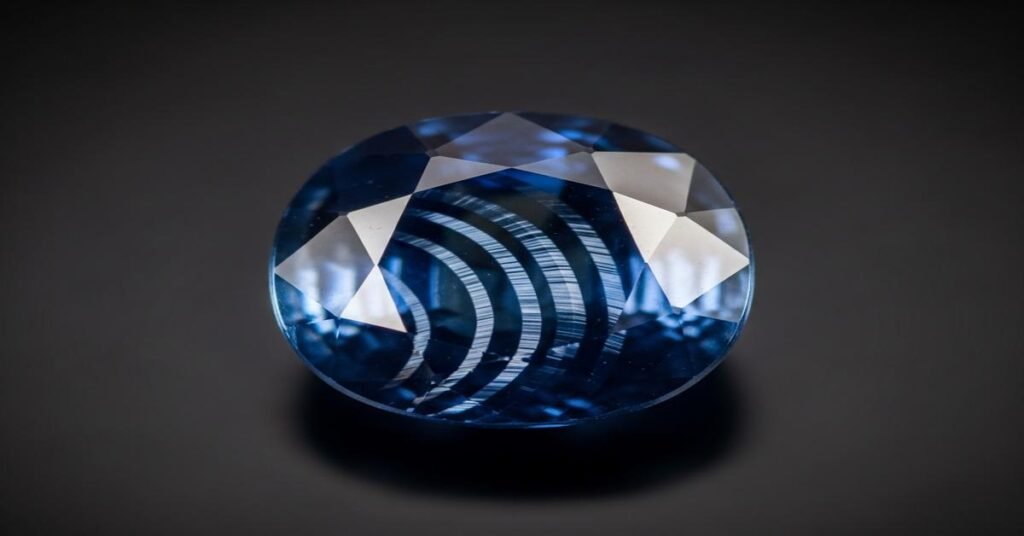 Blog
Blog
Sapphires are among the most faked gems in jewelry. The most common impostor is a lab-grown sapphire made by the flame fusion (Verneuil) method.…
Read article