
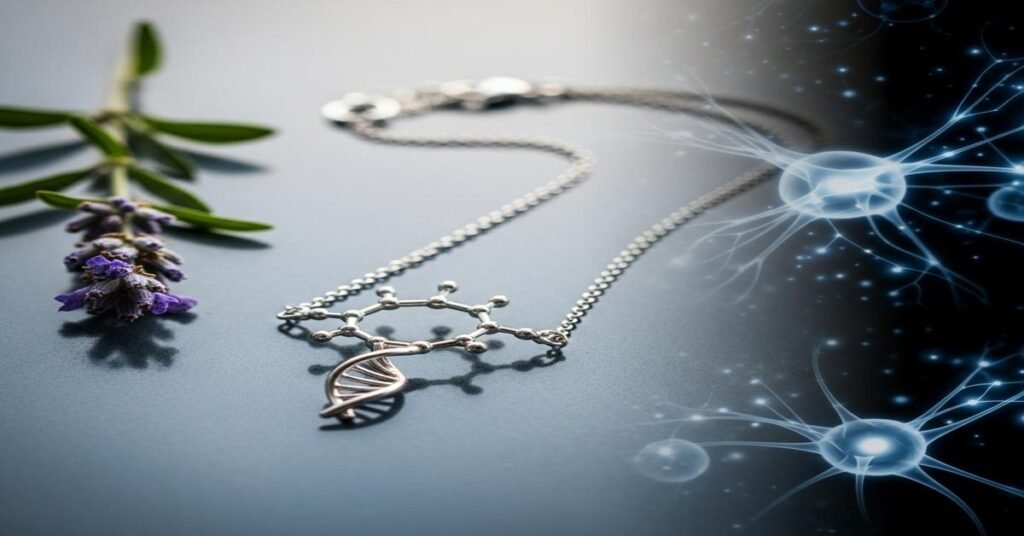
Silver is more than a pretty metal. For centuries it was used to slow spoilage and treat infections. Modern science explains why. Silver ions and engineered silver materials have real, measurable effects on microbes and inflammation. That makes silver useful in medicine, textiles, and some everyday products. It does not support mystical or astrological claims, and it is not a substitute for medical care. Below I explain how silver works, where the benefits are proven, and what risks to watch for.
How silver works: the basic chemistry and biology
Silver’s active form is the silver ion, written Ag+. When silver releases Ag+ into water or biological fluids, those ions interact with microbes in several ways:
- Damage membranes. Ag+ binds to bacterial cell walls and membranes, increasing permeability and causing leakage. That directly weakens cells.
- Disable proteins. Silver reacts with sulfur-containing (thiol) groups in enzymes and structural proteins. That disrupts metabolism and repair systems.
- Interfere with DNA. Ag+ can bind nucleic acids and block replication and transcription.
- Reduce biofilms. Silver prevents bacteria from forming protective biofilms and can disrupt established films by weakening the matrix and killing embedded cells.
Silver nanoparticles (AgNPs) act mostly by releasing Ag+ from a high-surface-area particle. The particle itself can also attach to cells and produce localized effects. That’s why many modern medical products use either ionic silver or nanocrystalline silver coatings.
Proven medical uses of silver
Not all uses of silver are equal. The strongest evidence is for topical and device-related applications where controlled silver delivers antimicrobial action without significant systemic absorption.
- Burn and wound care. Silver sulfadiazine 1% cream and silver-impregnated dressings (for example, nanocrystalline-silver dressings) reduce wound surface bacterial counts. That lowers the risk of infection in partial-thickness burns and contaminated wounds. Clinical trials show fewer wound infections with silver dressings, although speed of closure sometimes varies by product and wound type.
- Medical devices and implants. Catheters, central lines, and some orthopaedic implants use silver coatings to reduce device colonization. Controlled trials and systematic reviews report lower rates of catheter-associated bacteriuria and fewer device-related infections in many settings, especially during short-term use.
- Topical antiseptics and ophthalmology. Silver nitrate has long been used in small concentrations to control chemical burns and neonatal conjunctivitis. Modern topical antiseptics with silver are used for contaminated surfaces and some ocular applications under medical supervision.
- Antimicrobial textiles. Socks, insoles, and some clothing incorporate silver fibers or coatings. These products consistently reduce bacterial load and odor. In diabetic foot care, antimicrobial socks can lower fungal or bacterial colonization, though improved clinical outcomes depend on the patient and overall foot care.
Silver and inflammation: what the evidence says
There is growing preclinical and some clinical evidence that silver can modulate inflammation. Why that matters: an excessive inflammatory response slows healing and causes secondary tissue damage.
- Silver reduces levels of pro-inflammatory markers in some experimental models. In animal studies, silver dressings are associated with lower levels of cytokines such as TNF-alpha and IL-6 at wound sites. This likely results from decreased bacterial burden and direct interactions between silver and immune cells.
- In practice, that means silver-treated wounds often show less redness and exudate related to infection. But silver is not a systemic anti-inflammatory drug. Its anti-inflammatory effects are localized to the site of application.
Claims about mood, cognition, and “energy” — what’s real and what’s not
Some marketing claims suggest wearing silver improves mood, circulation, or mental clarity. The scientific support for these claims is very weak.
- Any immediate subjective feeling from wearing jewelry is more likely due to comfort, thermal conductivity (silver feels cool), or placebo effect than a direct neurological action of silver.
- There is limited and preliminary animal research on nanoparticles suggesting antioxidant or neuroprotective effects. Those findings are not transferable to wearing silver jewelry or to ingesting colloidal silver.
- Do not interpret jewellery-wearing as medical treatment for depression, anxiety, or cognitive disorders. Proven treatments exist and should be used when needed.
Safety and important cautions
Silver is useful, but it is not risk-free. The main concerns are:
- Argyria. Chronic ingestion of silver (as colloidal silver or some supplements) can produce permanent gray-blue skin discoloration called argyria. This is cosmetic but irreversible in many cases. Medical use of topical silver in controlled doses carries low systemic risk, but oral or intravenous silver supplements are not recommended.
- Allergic reactions. True allergy to silver metal is rare. More commonly, jewelry reactions come from alloy metals. Sterling silver is 92.5% silver and 7.5% copper (marked 925). Some plated or low-cost pieces contain nickel, which causes contact dermatitis in many people. If your skin reacts to “silver” jewelry, the alloy—not pure silver—is often the cause.
- Environmental toxicity. Silver nanoparticles released into wastewater can harm aquatic organisms. Medical products are regulated to limit environmental release, but uncontrolled use of nanoparticle products raises concerns.
- Interactions with medical care. Silver dressings are indicated for contaminated or high-risk wounds, but they are not always the best choice for all wounds. Overuse can affect healthy tissue or delay certain healing stages. Use under clinical guidance when treating significant wounds.
Practical advice for wearing and using silver
- For jewelry: Choose sterling (.925) or fine silver (.999) to minimize allergic reactions. If you have sensitive skin, look for nickel-free stamped pieces.
- For skin protection: Don’t assume a silver ring or bracelet will prevent or treat infections. For cuts and wounds, follow medical guidance. If a wound is at high risk of infection, ask a clinician about medically approved silver dressings.
- For textiles: Silver-impregnated socks and undergarments can reduce odors and surface microbes. They are useful for athletes or people with repeated fungal problems, but they are an adjunct to hygiene, not a cure.
- Avoid ingestion: Do not take colloidal silver or silver supplements. The risks outweigh unproven benefits.
In short, silver has clear, evidence-backed roles in infection control and some wound-care settings because of its ionic activity and anti-biofilm properties. Wearing silver jewelry can be pleasant and hygienically marginally helpful for surface microbes, but it isn’t a medical cure-all. Use medical-grade silver products where indicated, and avoid ingesting silver or relying on it for systemic health benefits.

I am G S Sachin, a gemologist with a Diploma in Polished Diamond Grading from KGK Academy, Jaipur. I love writing about jewelry, gems, and diamonds, and I share simple, honest reviews and easy buying tips on JewellersReviews.com to help you choose pieces you’ll love with confidence.