Blog

Welcome to the JewellersReview Blog, your go-to destination for everything jewelry! Here, we explore the latest trends, expert buying guides, gemstone education, and industry insights. Whether you’re looking for styling tips, learning about different metals and stones, or staying updated on ethical jewelry and sustainability, our blogs provide valuable information to help you make informed decisions. Stay inspired and discover the beauty, craftsmanship, and stories behind exquisite jewelry pieces.

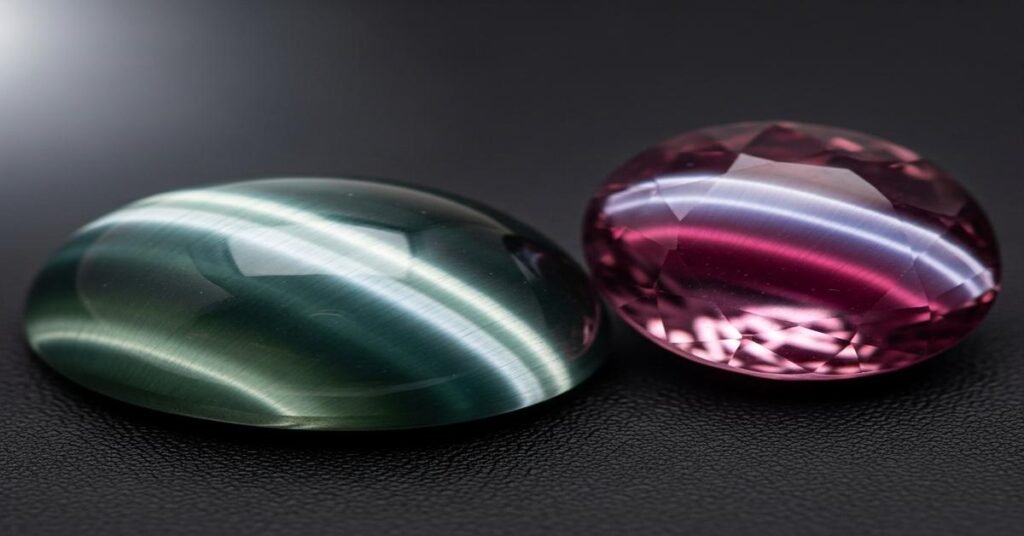
Cat's Eye Alexandrite: This Natural Wonder Is Now Being Faked, How to Spot a Synthetic Cat's Eye.

Cat’s Eye Alexandrite: This Natural Wonder Is Now Being Faked, How to Spot a Synthetic Cat’s Eye.

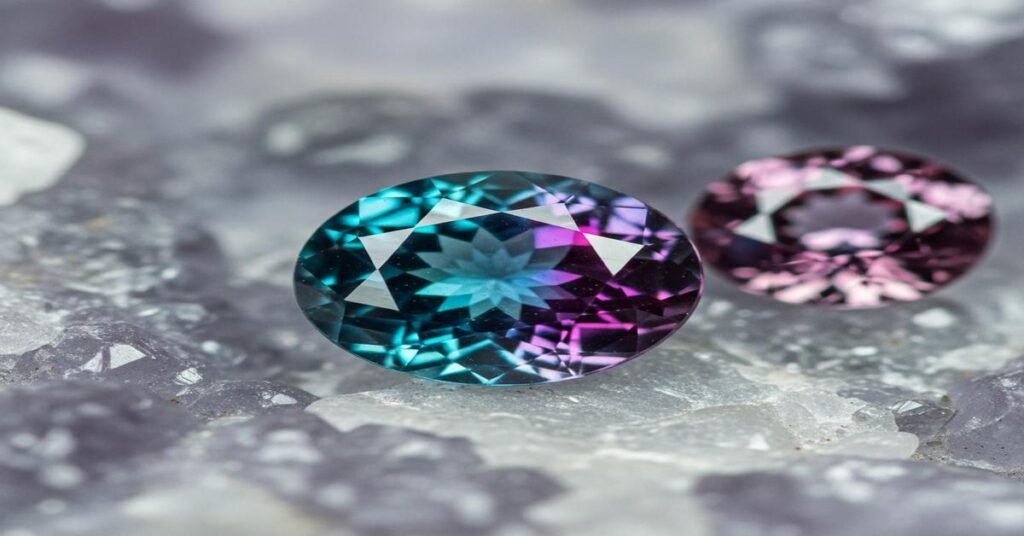
Cat’s eye alexandrite sits in the “almost mythical” tier of gemstones. It combines two rare effects—color change and chatoyancy—inside the same crystal. That rarity has sparked a wave of imitations and lab-grown substitutes. If you collect or buy jewelry, you need to know how to tell a true natural cat’s eye alexandrite from the growing […]
Cat’s Eye Alexandrite: This Natural Wonder Is Now Being Faked, How to Spot a Synthetic Cat’s Eye. Read More »

The "Pulled" Growth Method: How Czochralski-Grown Alexandrite Is Made, And the Microscopic Signs That Expose It.

The “Pulled” Growth Method: How Czochralski-Grown Alexandrite Is Made, And the Microscopic Signs That Expose It.

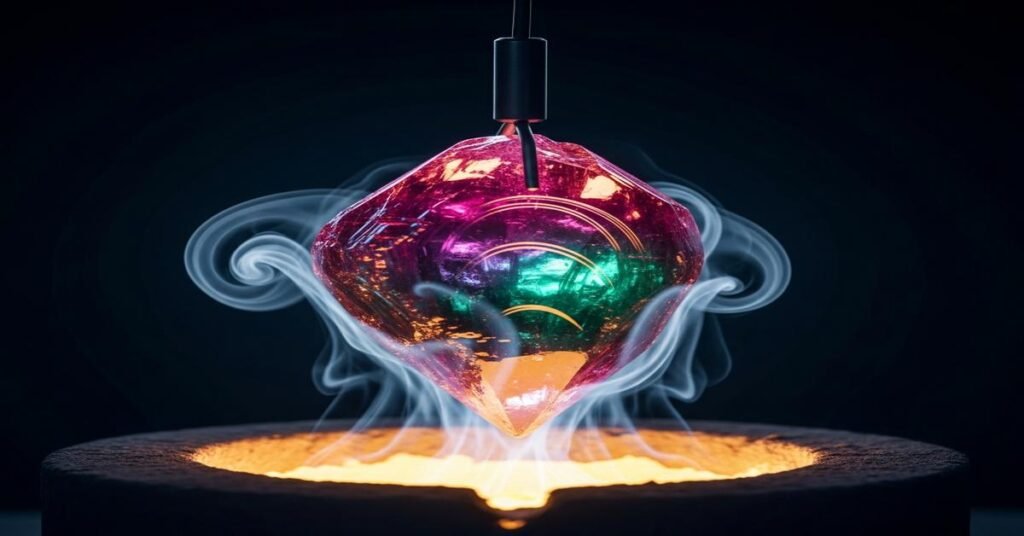
Alexandrite’s color-change is magic. Under daylight it looks green; under warm light it turns red. Natural stones do this because of chromium in chrysoberyl’s crystal lattice. Today, labs can reproduce that with high precision using the Czochralski, or “pulled,” growth method. If you know how the process works, you can recognize its fingerprints under the

The “Pulled” Growth Method: How Czochralski-Grown Alexandrite Is Made, And the Microscopic Signs That Expose It. Read More »

"Green to Red" vs. "Green to Purple": The Telltale Color Shift of a Natural Alexandrite vs. a Common Lab-Grown Fake.

“Green to Red” vs. “Green to Purple”: The Telltale Color Shift of a Natural Alexandrite vs. a Common Lab-Grown Fake.

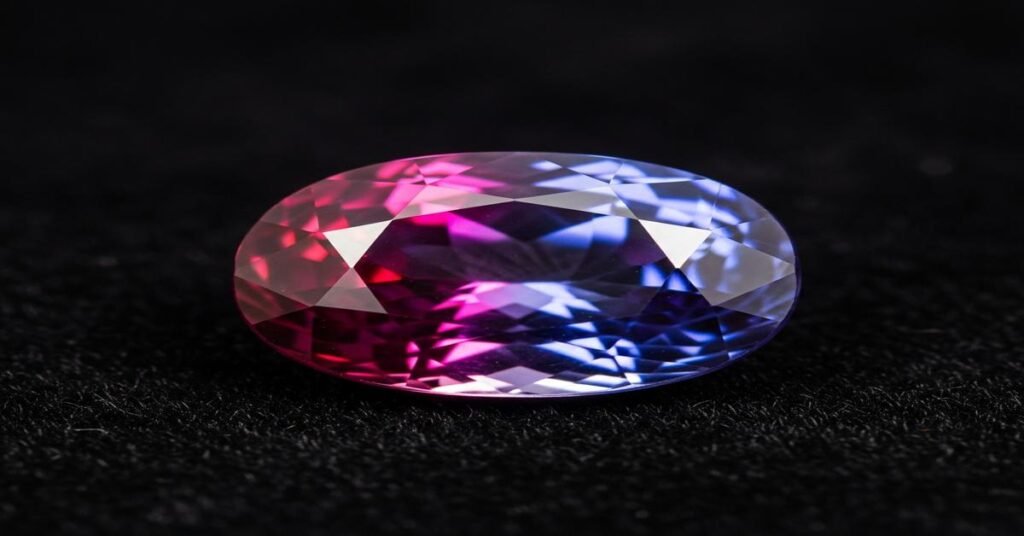
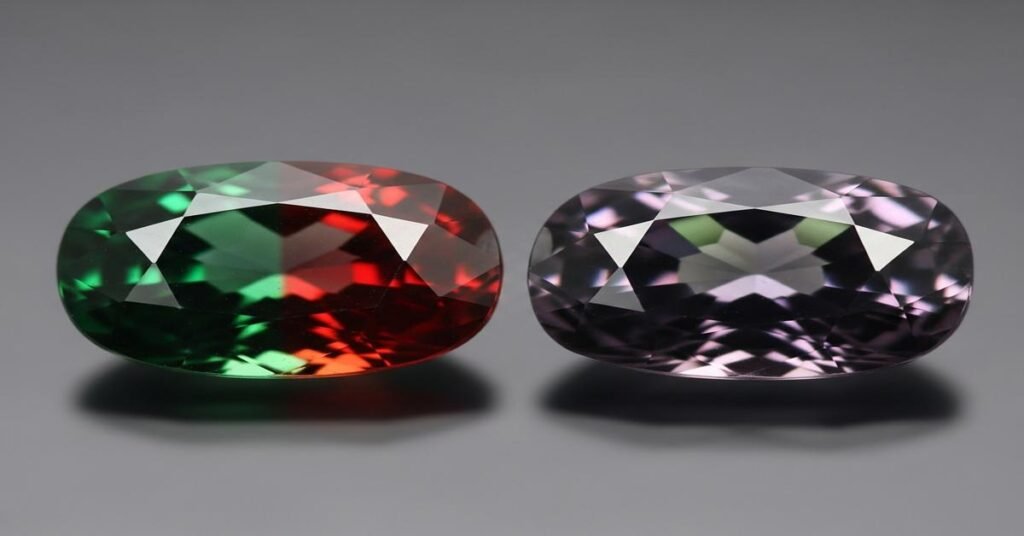
Alexandrite is famous for a dramatic color change. In daylight, it looks green. Under warm, incandescent light, it turns red. That “green to red” shift is the hallmark of the real thing. Yet many stones sold as “alexandrite” flip green to purple instead. That purple shift is a key warning sign of a common lab-grown

“Green to Red” vs. “Green to Purple”: The Telltale Color Shift of a Natural Alexandrite vs. a Common Lab-Grown Fake. Read More »

Natural Alexandrite Sells for $15k/Carat: So Why Is Yours $500? The Obvious Signs You Bought a Lab-Grown Stone.

Natural Alexandrite Sells for $15k/Carat: So Why Is Yours $500? The Obvious Signs You Bought a Lab-Grown Stone.

Natural alexandrite is one of the rarest gemstones on earth. Fine stones can sell for $10,000–$30,000 per carat, and exceptional pieces go far higher. So when someone pays $500 for a “1-carat alexandrite” with a bold green-to-red color change, there’s only one likely reason: it isn’t natural. It’s either lab-grown alexandrite or a different gem

Natural Alexandrite Sells for $15k/Carat: So Why Is Yours $500? The Obvious Signs You Bought a Lab-Grown Stone. Read More »

The "Color Change" Lie: Your Lab-Grown Alexandrite Is Just Color-Change Sapphire, It's Not a Real Alexandrite, Here's the Truth.

The “Color Change” Lie: Your Lab-Grown Alexandrite Is Just Color-Change Sapphire, It’s Not a Real Alexandrite, Here’s the Truth.

Jewelers love the phrase “lab-grown alexandrite.” It sounds exotic and rare, and it hints at the famous green-to-red color change that collectors chase. Here’s the truth: in today’s market, most stones sold as “lab-grown alexandrite” are not alexandrite at all. They’re lab-grown color-change sapphire. The color change may look similar, but the chemistry, structure, value,

The “Color Change” Lie: Your Lab-Grown Alexandrite Is Just Color-Change Sapphire, It’s Not a Real Alexandrite, Here’s the Truth. Read More »

"Kashmir Sapphire" Rip-Off: Jewelers Are Selling Glassy Fakes as the "Velvety" Kashmir, This Is the One Sign You Can't Miss.

“Kashmir Sapphire” Rip-Off: Jewelers Are Selling Glassy Fakes as the “Velvety” Kashmir, This Is the One Sign You Can’t Miss.

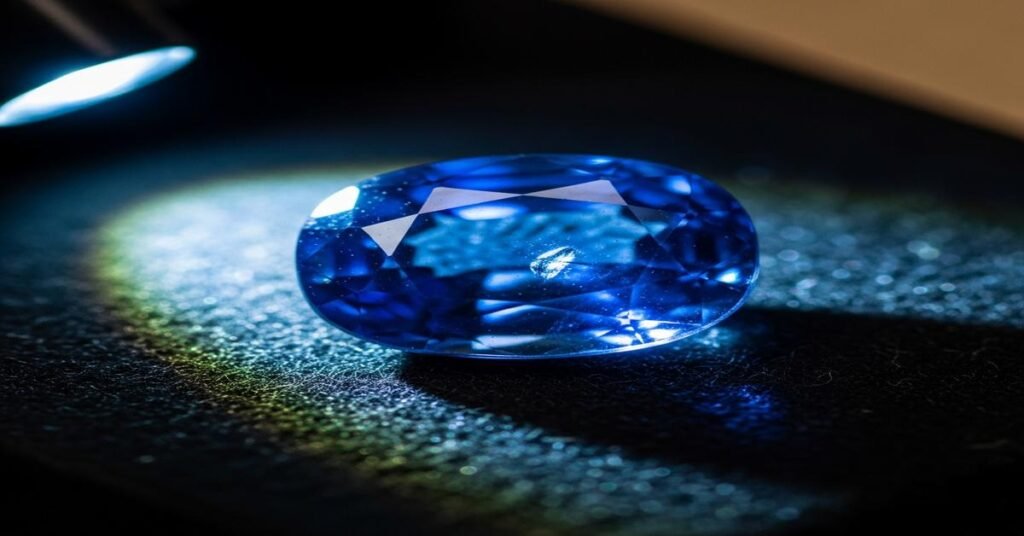
Real Kashmir sapphires are rare. Their price invites fakes, upgrades, and wishful thinking. Lately, I keep seeing “Kashmir sapphires” that look glassy—clean, sharp, and a little too bright—sold as “velvety” Kashmir. That word matters. True Kashmir stones have a soft, even glow you can see and prove with a loupe. If you remember one thing,

“Kashmir Sapphire” Rip-Off: Jewelers Are Selling Glassy Fakes as the “Velvety” Kashmir, This Is the One Sign You Can’t Miss. Read More »

Padparadscha Sapphire Scam: The Rarest Sapphire Is Now Lab-Grown, How to Tell If Your "Pink-Orange" Gem Is a Fake.

Padparadscha Sapphire Scam: The Rarest Sapphire Is Now Lab-Grown, How to Tell If Your “Pink-Orange” Gem Is a Fake.

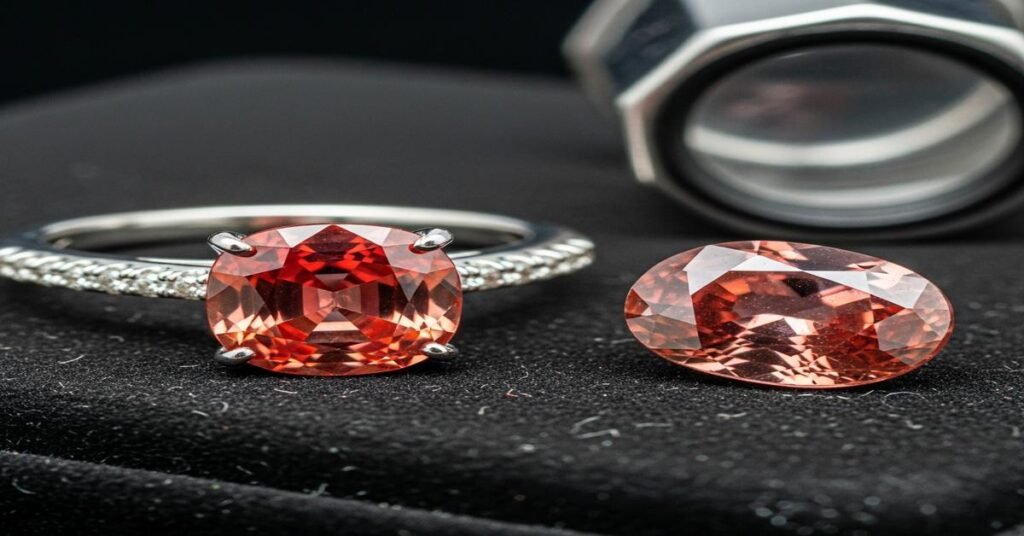
Padparadscha sapphires sit at the knife edge of color: a delicate mix of pink and orange that looks like a tropical sunset. That balance is rare in nature—and easy to mimic in a lab or with aggressive treatments. Today, lab-grown “padparadscha” is common and cheap, while natural stones with true pad color remain scarce and

Padparadscha Sapphire Scam: The Rarest Sapphire Is Now Lab-Grown, How to Tell If Your “Pink-Orange” Gem Is a Fake. Read More »

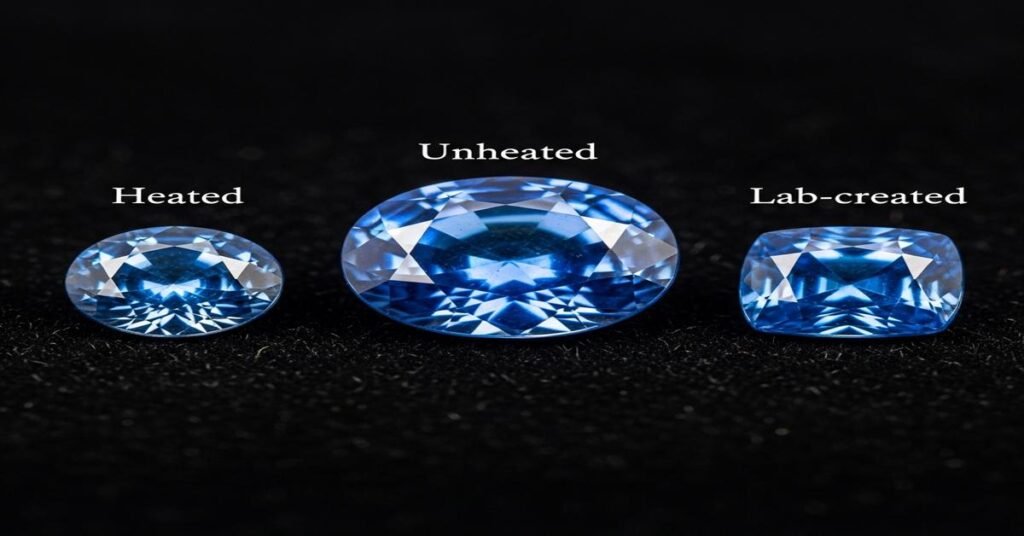
"Heated" vs. "Unheated" vs. "Lab": A Buyer's Guide to Sapphire, Why an Unheated Natural Is 100x More Valuable.

“Heated” vs. “Unheated” vs. “Lab”: A Buyer’s Guide to Sapphire, Why an Unheated Natural Is 100x More Valuable.

Shopping for a sapphire can feel like learning a new language. Sellers throw around terms like “heated,” “unheated,” and “lab” as if everyone knows what they mean. The differences matter because they change price, rarity, and long-term value. Here’s a clear, practical guide to help you buy with confidence—and why an unheated natural sapphire can

“Heated” vs. “Unheated” vs. “Lab”: A Buyer’s Guide to Sapphire, Why an Unheated Natural Is 100x More Valuable. Read More »

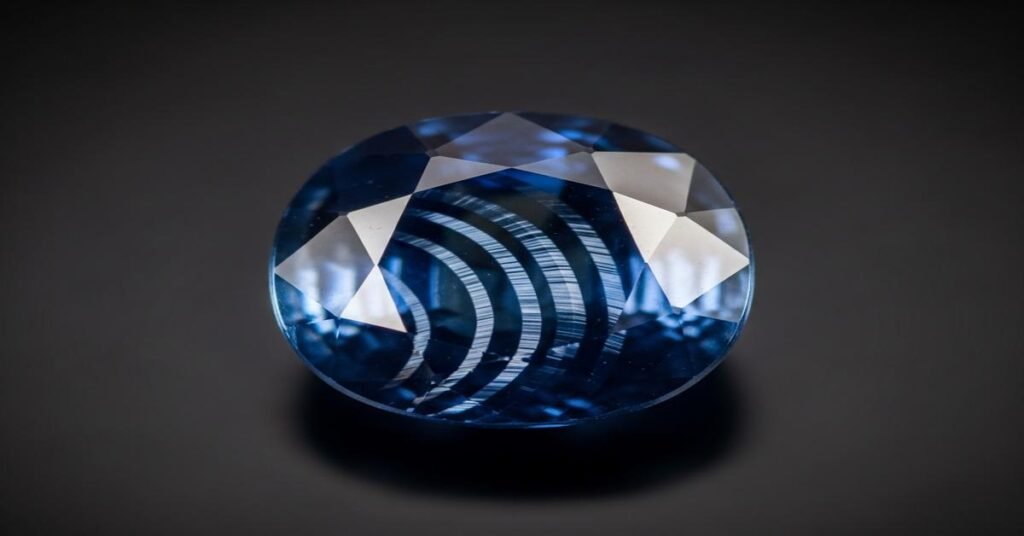
Natural vs. Lab Sapphire: Look for "Curved Striae," The Telltale Sign of a Flame Fusion Fake Sapphire, Even Jewelers Get Fooled.

Natural vs. Lab Sapphire: Look for “Curved Striae,” The Telltale Sign of a Flame Fusion Fake Sapphire, Even Jewelers Get Fooled.

Sapphires are among the most faked gems in jewelry. The most common impostor is a lab-grown sapphire made by the flame fusion (Verneuil) method. It is real corundum chemically, but not natural. The single most reliable visual clue is curved striae—fine, sweeping internal growth lines that arc like ripples. When you know how to look,

Natural vs. Lab Sapphire: Look for “Curved Striae,” The Telltale Sign of a Flame Fusion Fake Sapphire, Even Jewelers Get Fooled. Read More »

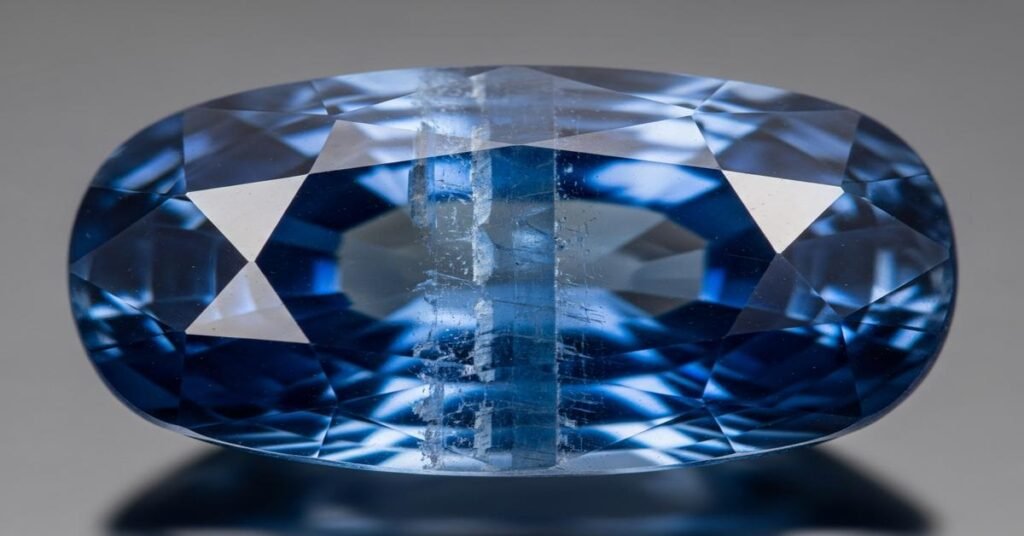
The Sapphire "Color Zoning" Test: A Natural Sapphire Has Uneven Color, A Lab-Grown Stone Is "Too Perfect," Here's How to See It.

The Sapphire “Color Zoning” Test: A Natural Sapphire Has Uneven Color, A Lab-Grown Stone Is “Too Perfect,” Here’s How to See It.

A quick, reliable way to tell if a sapphire is natural or lab-grown is to look for color zoning. Natural sapphires usually show uneven color. Lab-grown stones often look “too perfect.” With a simple light and a 10x loupe, you can see it clearly. Below is a practical guide to what to look for, why

The Sapphire “Color Zoning” Test: A Natural Sapphire Has Uneven Color, A Lab-Grown Stone Is “Too Perfect,” Here’s How to See It. Read More »