Blog

Welcome to the JewellersReview Blog, your go-to destination for everything jewelry! Here, we explore the latest trends, expert buying guides, gemstone education, and industry insights. Whether you’re looking for styling tips, learning about different metals and stones, or staying updated on ethical jewelry and sustainability, our blogs provide valuable information to help you make informed decisions. Stay inspired and discover the beauty, craftsmanship, and stories behind exquisite jewelry pieces.

The "Certificate" Scam: Your Gem's "Certificate" Is from a Fake Lab, These Are the Only 3 Gem Labs in the World You Can Trust.

The “Certificate” Scam: Your Gem’s “Certificate” Is from a Fake Lab, These Are the Only 3 Gem Labs in the World You Can Trust.

Gem “certificates” are often the weak link in a jewelry purchase. Many are issued by unknown or fake labs that inflate grades or skip treatment disclosures. That paper can make a cheap stone look rare, which lets a seller ask a high price. If you want a grading document you can rely on in any […]
The “Certificate” Scam: Your Gem’s “Certificate” Is from a Fake Lab, These Are the Only 3 Gem Labs in the World You Can Trust. Read More »

Garnet Fakes: That "Rhodolite" Garnet Is Just Pink Glass, How to Check for "Double Refraction" at Home.

Garnet Fakes: That “Rhodolite” Garnet Is Just Pink Glass, How to Check for “Double Refraction” at Home.

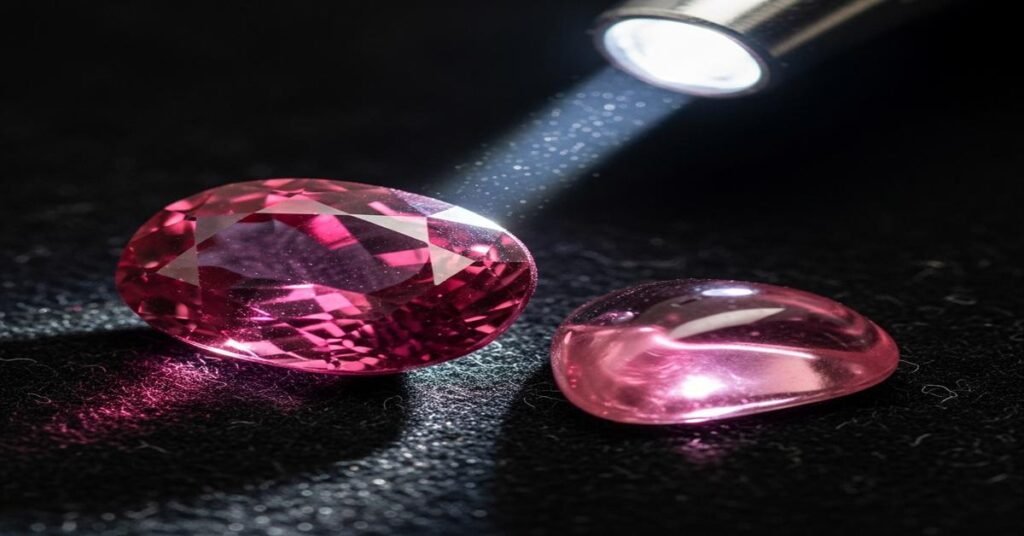
Dealers sometimes sell pink glass as “rhodolite” garnet. It looks right at a glance: bright raspberry color, clean clarity, a nice cut. But real rhodolite is a natural garnet. It has specific optical and physical traits that glass can’t copy. You can spot many fakes at home with a loupe and a few simple checks.

Garnet Fakes: That “Rhodolite” Garnet Is Just Pink Glass, How to Check for “Double Refraction” at Home. Read More »

Peridot vs. "Nano Gem": The Rise of Green Glass Fakes, How to Spot a Real Peridot by Its "Lily Pad" Inclusions.

Peridot vs. “Nano Gem”: The Rise of Green Glass Fakes, How to Spot a Real Peridot by Its “Lily Pad” Inclusions.

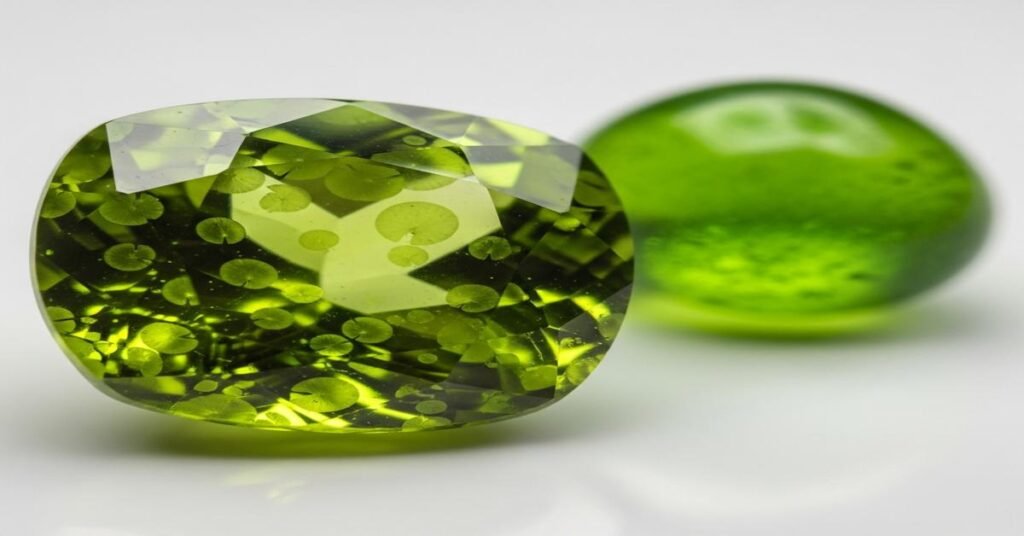
Bright, crisp, and unmistakably summer green—peridot has a look you can spot across the room. Lately, though, a wave of green “nano gems” (glass-ceramic imitations) has blurred the line for buyers. Many of these fakes are sold as “nano peridot,” “lab-grown peridot,” or “nano crystal.” They are not peridot. The good news: real peridot has

Peridot vs. “Nano Gem”: The Rise of Green Glass Fakes, How to Spot a Real Peridot by Its “Lily Pad” Inclusions. Read More »

Tanzanite Treatment: 100% of Tanzanite Is Heat-Treated, But What Does That Mean for Its Value vs. a Natural Sapphire?

Tanzanite Treatment: 100% of Tanzanite Is Heat-Treated, But What Does That Mean for Its Value vs. a Natural Sapphire?

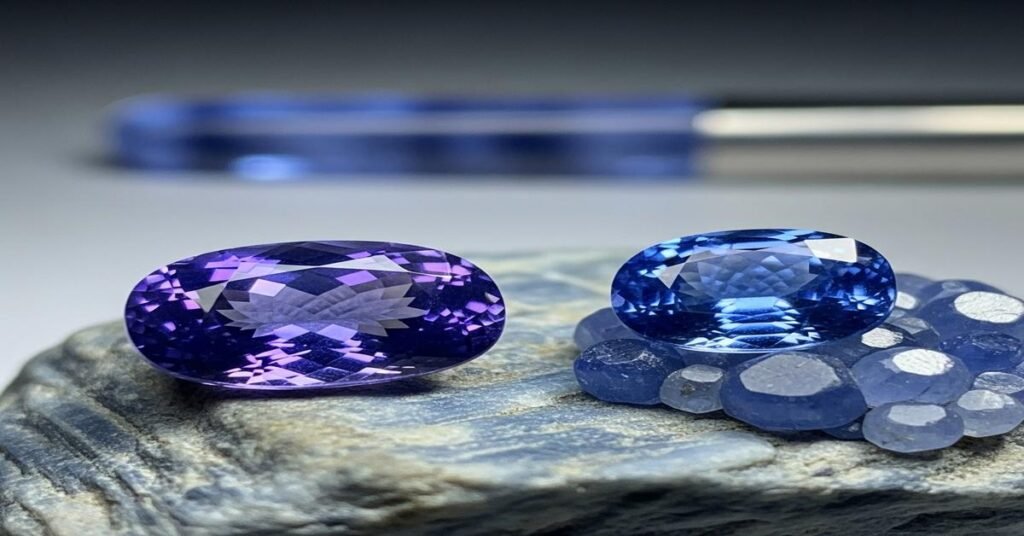
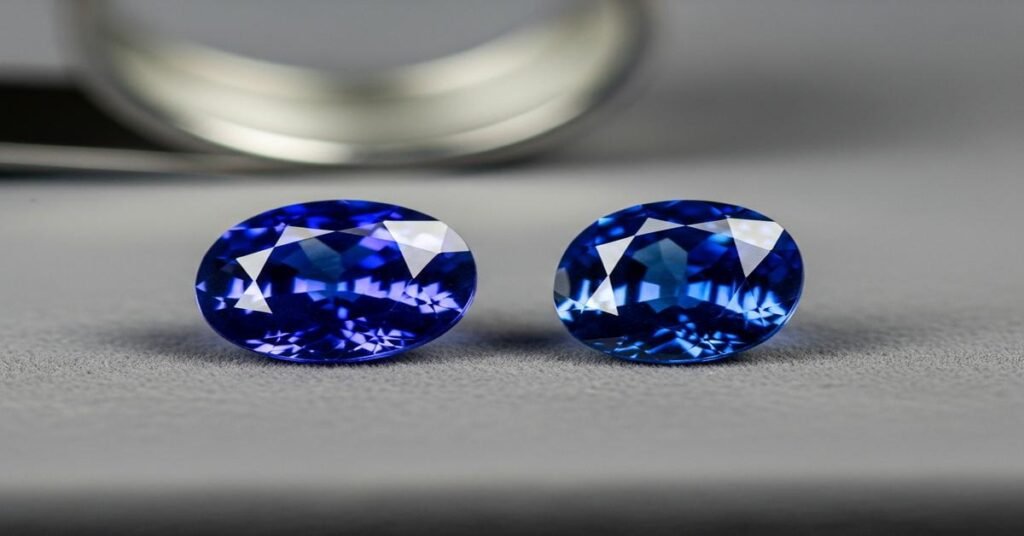
Tanzanite’s famous blue-violet color is almost always the result of heat—virtually every gem on the market has been heated after mining. That fact confuses many buyers: if 100% of tanzanite is heat-treated, does it lower the value? And how does a heated tanzanite compare with a natural (unheated) sapphire in price, durability, and long-term desirability?

Tanzanite Treatment: 100% of Tanzanite Is Heat-Treated, But What Does That Mean for Its Value vs. a Natural Sapphire? Read More »

"Moissanite" Is Not a Diamond: It's a Completely Different Stone, Stop Calling It a "Lab Diamond," A Guide to What You Really Bought.

“Moissanite” Is Not a Diamond: It’s a Completely Different Stone, Stop Calling It a “Lab Diamond,” A Guide to What You Really Bought.

You didn’t buy a diamond. You bought moissanite. That’s not a downgrade—it’s a different gem with its own strengths. The confusion comes from sloppy marketing that calls moissanite a “lab diamond.” It isn’t. Lab-grown diamonds are real diamonds made in a lab. Moissanite is silicon carbide. This guide explains what moissanite actually is, how it

“Moissanite” Is Not a Diamond: It’s a Completely Different Stone, Stop Calling It a “Lab Diamond,” A Guide to What You Really Bought. Read More »

Red Beryl ("Bixbite"): The Rarest Gem on Earth Now Has a Lab-Grown Version, Why You Should Never Buy One Without a Certificate.

Red Beryl (“Bixbite”): The Rarest Gem on Earth Now Has a Lab-Grown Version, Why You Should Never Buy One Without a Certificate.

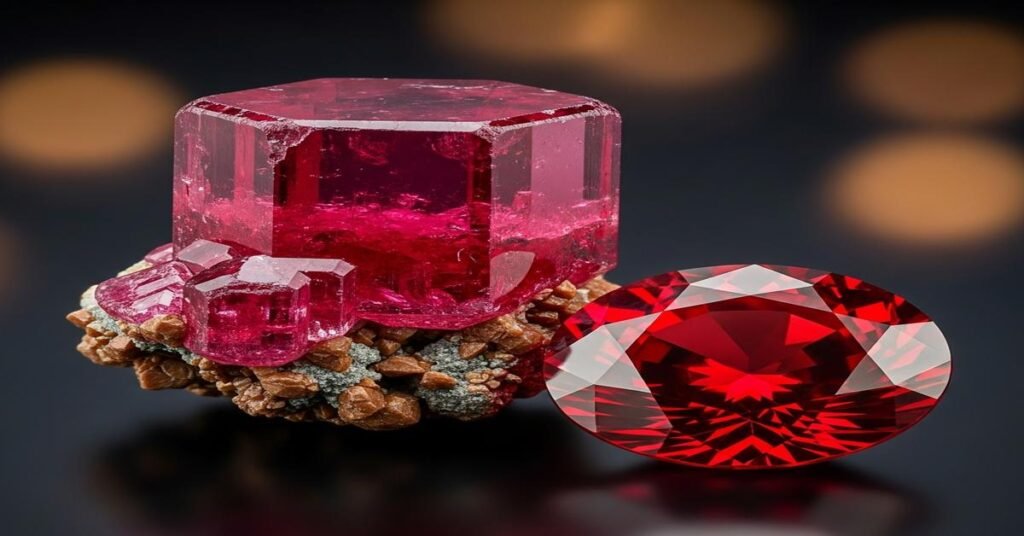
Red beryl is the rarest well-formed gem most people will ever encounter. Jewelers sometimes call it “bixbite” or “red emerald.” Natural stones are tiny, scarce, and very expensive. A lab-grown version now exists, which makes expert testing essential. If you buy one without a lab certificate, you risk paying a five-figure price for a different

Red Beryl (“Bixbite”): The Rarest Gem on Earth Now Has a Lab-Grown Version, Why You Should Never Buy One Without a Certificate. Read More »

Morganite Fades in Sunlight: This Popular "Pink" Gem Is a Bad Investment, Why Jewelers Don't Tell You It's Unstable.

Morganite Fades in Sunlight: This Popular “Pink” Gem Is a Bad Investment, Why Jewelers Don’t Tell You It’s Unstable.

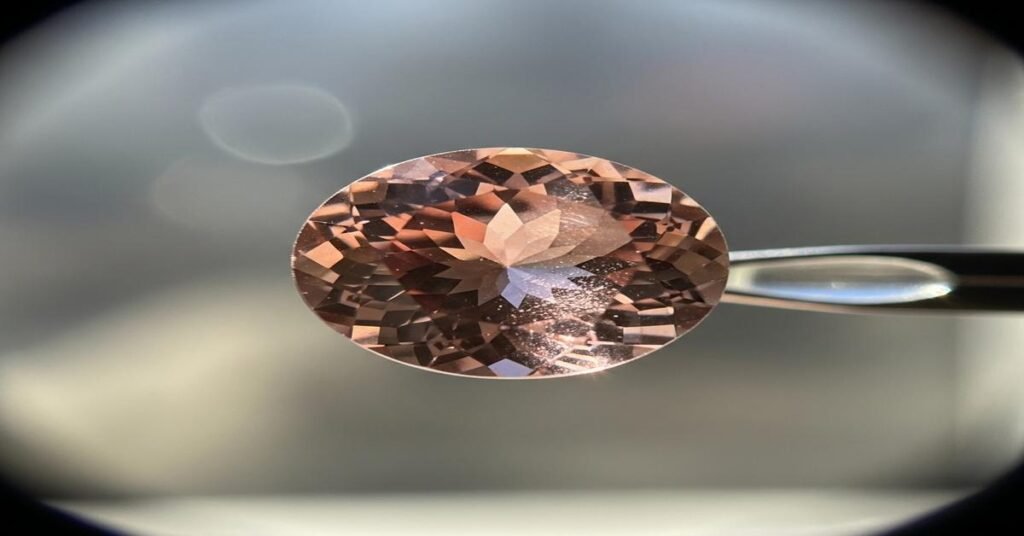
Morganite, the peachy-pink cousin of emerald and aquamarine, looks romantic, large, and affordable—especially in rose gold. That is why it’s everywhere in engagement rings and social feeds. But here’s the part you rarely hear: many morganites don’t keep their color under real-life wear. The pink can lighten over time, and resale value is weak. If

Morganite Fades in Sunlight: This Popular “Pink” Gem Is a Bad Investment, Why Jewelers Don’t Tell You It’s Unstable. Read More »

Aquamarine vs. Treated Topaz: Your "Aqua" Is Likely a Worthless Blue Topaz, How to Tell the Difference in Color and Price.

Aquamarine vs. Treated Topaz: Your “Aqua” Is Likely a Worthless Blue Topaz, How to Tell the Difference in Color and Price.

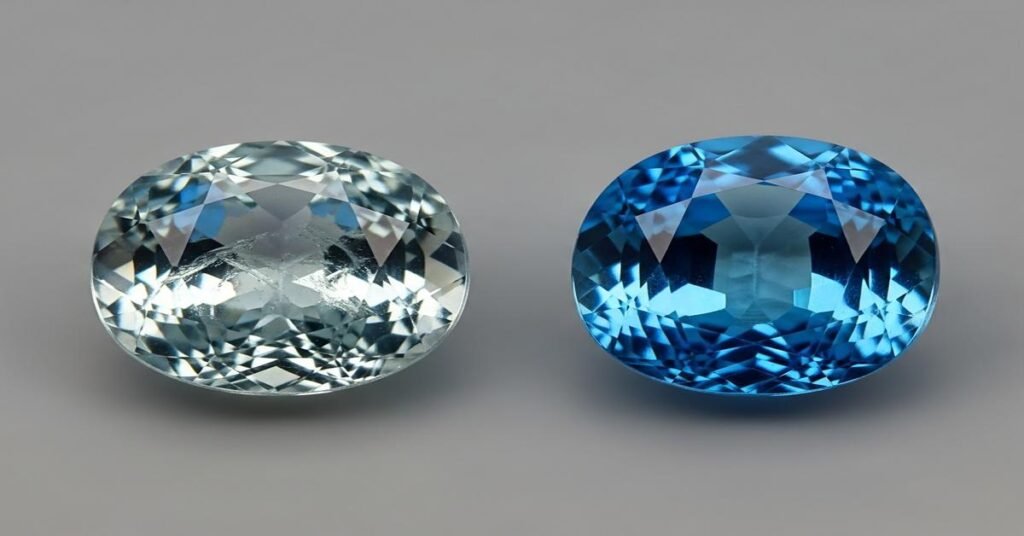
Most “aqua” gems sold in malls and online are not aquamarine. They are treated blue topaz—beautiful, durable, and very inexpensive. The two look similar at a glance, which is why confusion (and mislabeling) is common. But they are not the same. Aquamarine is a type of beryl and can be valuable. Blue topaz is usually

Aquamarine vs. Treated Topaz: Your “Aqua” Is Likely a Worthless Blue Topaz, How to Tell the Difference in Color and Price. Read More »

Natural vs. Lab-Grown Spinel: The "Maltese Cross" Inclusions That Prove Your Spinel Is a Worthless Synthetic Fake.

Natural vs. Lab-Grown Spinel: The “Maltese Cross” Inclusions That Prove Your Spinel Is a Worthless Synthetic Fake.

Spinel can be a treasure or a trap. Natural spinel—especially vivid reds, pinks, and cobalt blues—can be rare and valuable. Lab-grown spinel, by contrast, is mass-produced and inexpensive. One optical clue tips the balance in seconds: the “Maltese cross” seen under crossed polarizers. If you see a clean, centered Maltese cross in a spinel, you

Natural vs. Lab-Grown Spinel: The “Maltese Cross” Inclusions That Prove Your Spinel Is a Worthless Synthetic Fake. Read More »

The "Cobalt Blue" Spinel Trap: This $10,000/Carat Gem Has a $100 Lab-Grown Twin, And Jewelers Can't Tell Them Apart.

The “Cobalt Blue” Spinel Trap: This $10,000/Carat Gem Has a $100 Lab-Grown Twin, And Jewelers Can’t Tell Them Apart.

“Cobalt blue” spinel is one of the most confusing stones in the market today. Top natural stones can fetch $10,000 per carat or more. Lab-grown lookalikes cost around $100 per carat. To the eye—and to most jeweler’s tools—they look the same. That gap creates an easy trap for shoppers and even for honest retailers. Here’s

The “Cobalt Blue” Spinel Trap: This $10,000/Carat Gem Has a $100 Lab-Grown Twin, And Jewelers Can’t Tell Them Apart. Read More »