Satyam Pandey

I am Satyam Pandey, a gemologist with a Diploma in Polished Diamond Grading from KGK Academy, Jaipur. I love writing about jewelry, gems, and diamonds, and I share simple, honest reviews and easy buying tips on JewellersReviews.com to help you choose pieces you’ll love with confidence.

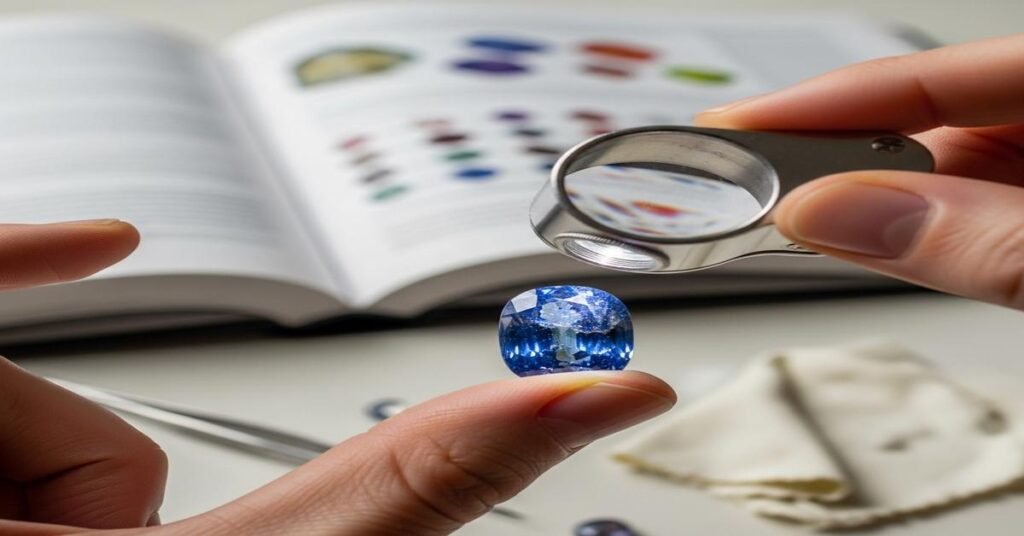
The Emerald "Inclusion" Test: Why a "Flawless" Emerald Is Almost Always a Fake, Natural Emeralds Must Have Inclusions (Jardin).

The Emerald “Inclusion” Test: Why a “Flawless” Emerald Is Almost Always a Fake, Natural Emeralds Must Have Inclusions (Jardin).

Emeralds are famous for their rich green color—and their “gardens.” Those internal features, called jardin (French for “garden”), are part of how you know an emerald is natural. A perfectly clean, flawless emerald is almost always synthetic or an imitation. This isn’t snobbery; it’s geology. Knowing why natural emeralds have inclusions, what they look like, […]
The Emerald “Inclusion” Test: Why a “Flawless” Emerald Is Almost Always a Fake, Natural Emeralds Must Have Inclusions (Jardin). Read More »

The Diamond Tester Pen Myth: Why Your $20 Tester Can't Tell a Natural Diamond from a Lab-Grown One, It's a Useless Tool.

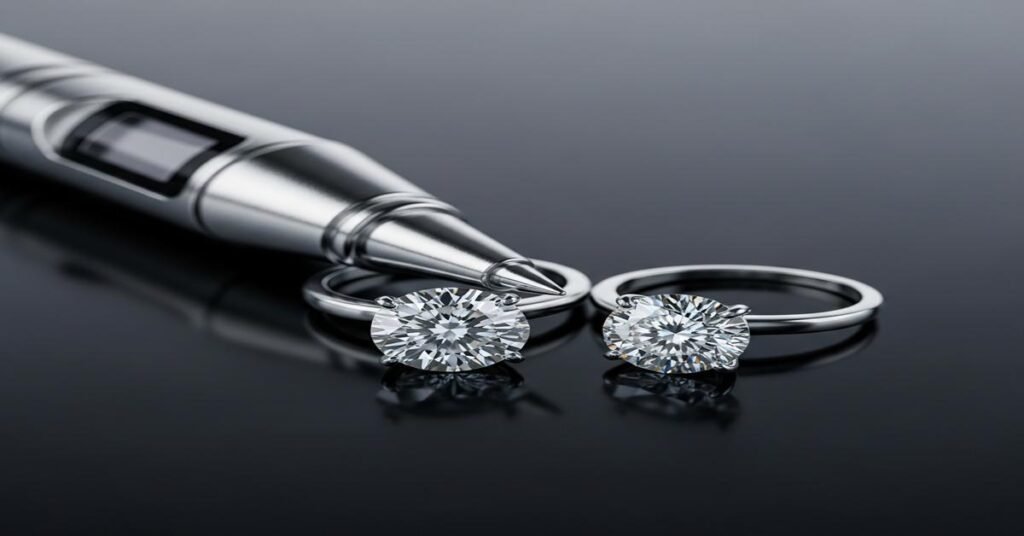
The Diamond Tester Pen Myth: Why Your $20 Tester Can’t Tell a Natural Diamond from a Lab-Grown One, It’s a Useless Tool.

Cheap “diamond tester pens” promise peace of mind for $20. Touch the tip to a stone, hear a beep, and you know if it’s real… right? Here’s the problem: those pens only check how a stone conducts heat (and sometimes electricity). Natural diamonds and lab-grown diamonds are both crystal carbon with the same heat flow.

The Diamond Tester Pen Myth: Why Your $20 Tester Can’t Tell a Natural Diamond from a Lab-Grown One, It’s a Useless Tool. Read More »

CVD vs. HPHT vs. Natural: A Gemologist Explains the Telltale Inclusions That Prove Your Diamond Is Mined, Lab Stones Are Too "Clean."

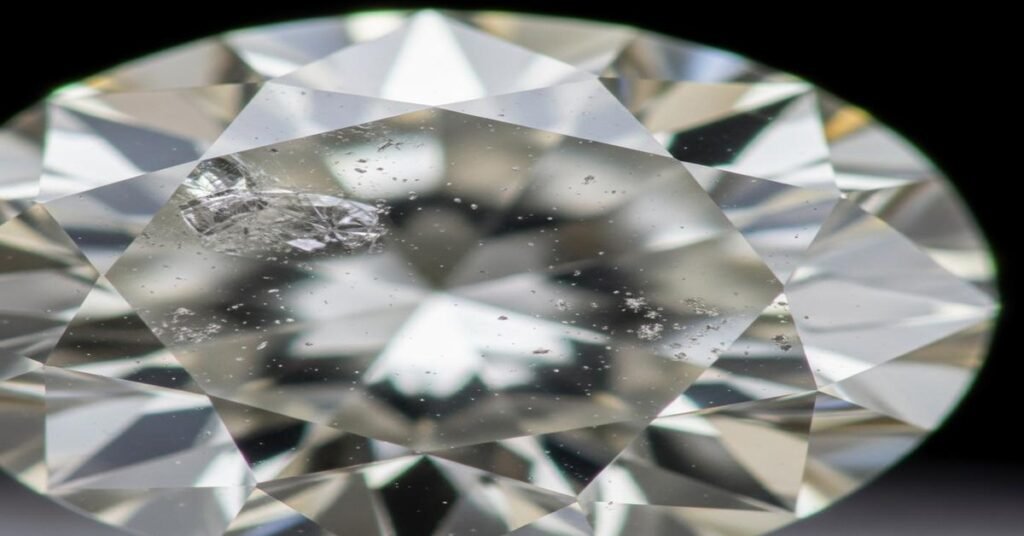
CVD vs. HPHT vs. Natural: A Gemologist Explains the Telltale Inclusions That Prove Your Diamond Is Mined, Lab Stones Are Too “Clean.”

Ask any bench gemologist: if you know what to look for, the inclusions inside a diamond read like a travel diary. Natural stones carry the scars and hitchhikers of violent geological growth. HPHT and CVD lab diamonds, grown in tidy machines, tend to be orderly—sometimes suspiciously so. Below, I’ll show you the inclusion patterns that

CVD vs. HPHT vs. Natural: A Gemologist Explains the Telltale Inclusions That Prove Your Diamond Is Mined, Lab Stones Are Too “Clean.” Read More »

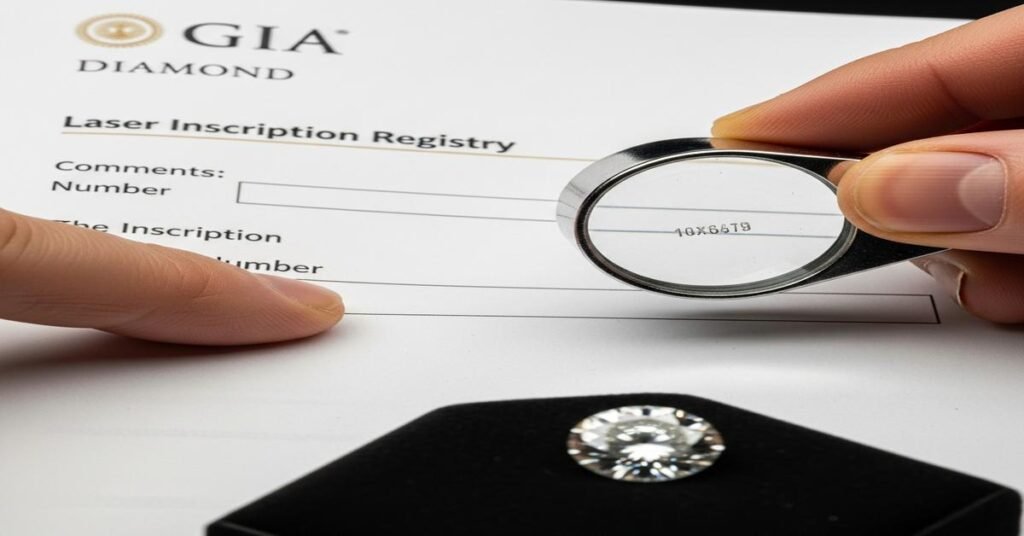
Reading a GIA Report: The "Laser Inscription" Is Your Only Proof, How to Use a Loupe to Confirm Your Natural Diamond.

Reading a GIA Report: The “Laser Inscription” Is Your Only Proof, How to Use a Loupe to Confirm Your Natural Diamond.

When you buy a diamond with a GIA report, your most practical way to prove that the stone in your hand is the stone on the report is the laser inscription on the diamond’s girdle. A 10x loupe lets you read that inscription. Once you match it to the report and the report type says

Reading a GIA Report: The “Laser Inscription” Is Your Only Proof, How to Use a Loupe to Confirm Your Natural Diamond. Read More »

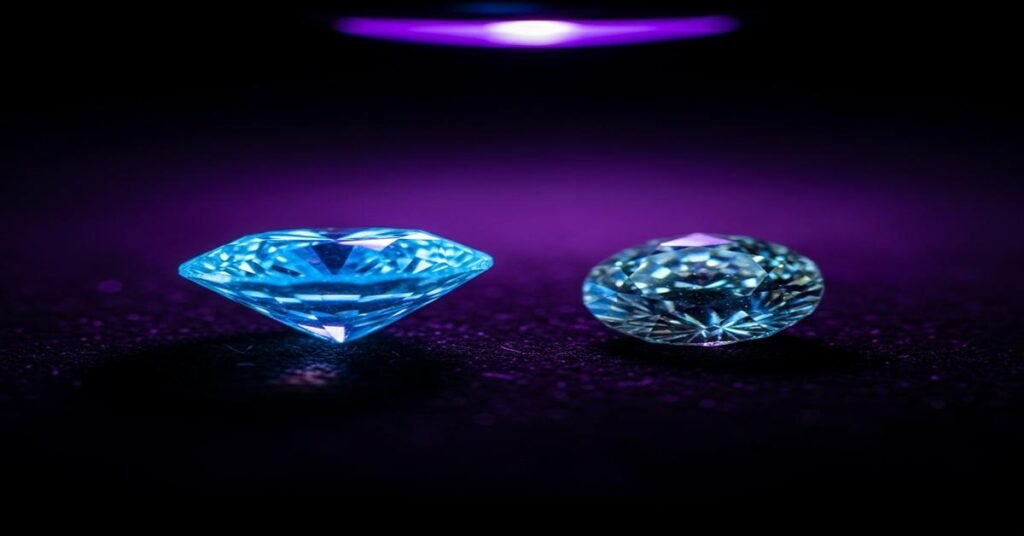
The UV Light Test: The Easiest Way to Spot a Natural Diamond, Why Most Lab-Grown Diamonds Don't Glow Under UV Light.

The UV Light Test: The Easiest Way to Spot a Natural Diamond, Why Most Lab-Grown Diamonds Don’t Glow Under UV Light.

Shine a 365 nm UV flashlight on a diamond in a dark room and watch what happens. Many natural diamonds glow blue. Most lab‑grown diamonds, especially CVD-grown, do not glow at all under this long‑wave UV. That simple observation can quickly separate most naturals from most lab‑growns. It is not a lab test and it

The UV Light Test: The Easiest Way to Spot a Natural Diamond, Why Most Lab-Grown Diamonds Don’t Glow Under UV Light. Read More »

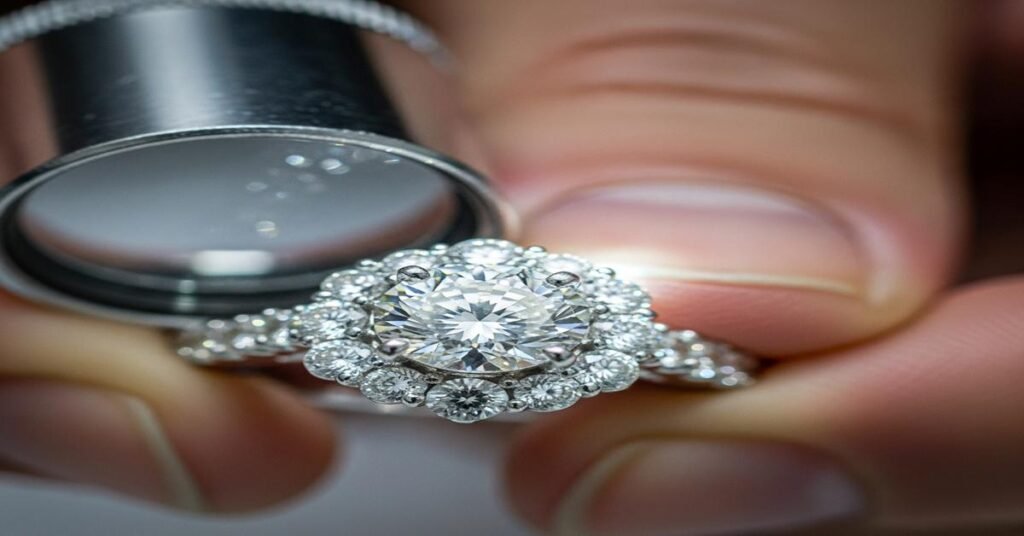
"Grown in a Lab" Deception: How Jewelers Are Mixing Lab-Grown Melee Diamonds with Natural Center Stones, The Scam You Won't See.

“Grown in a Lab” Deception: How Jewelers Are Mixing Lab-Grown Melee Diamonds with Natural Center Stones, The Scam You Won’t See.

Most shoppers know to ask whether a center diamond is natural or lab-grown. Few think to ask about the tiny side stones. That blind spot is where a quiet scam lives. Some jewelers are setting a natural, lab-graded center stone and surrounding it with undisclosed lab-grown melee (the very small diamonds in pavé, halos, and

“Grown in a Lab” Deception: How Jewelers Are Mixing Lab-Grown Melee Diamonds with Natural Center Stones, The Scam You Won’t See. Read More »

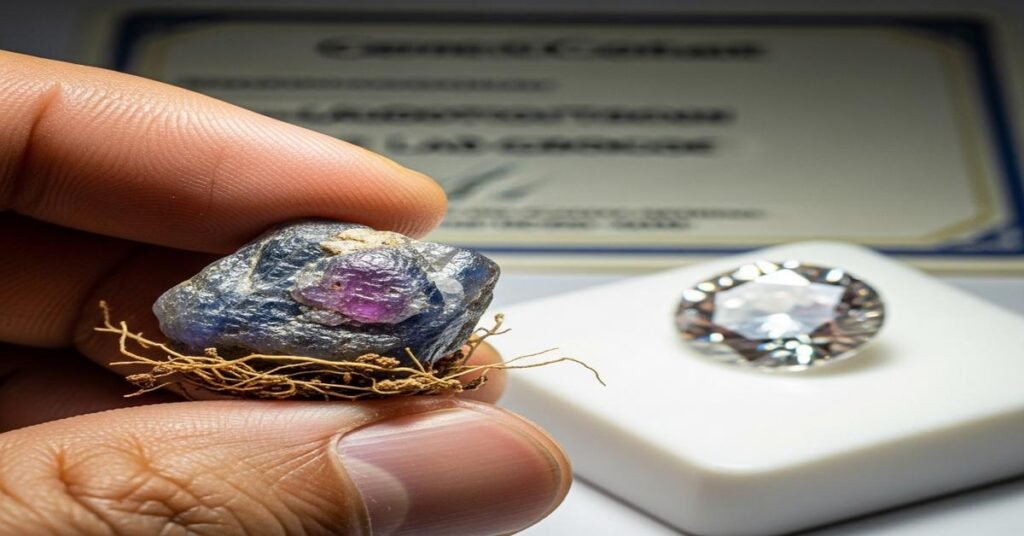
"Ethical" Gems Warning: Is Your "Ethically Mined" Gem Just a Lab-Grown Stone in Disguise? How to Read a Certificate.

“Ethical” Gems Warning: Is Your “Ethically Mined” Gem Just a Lab-Grown Stone in Disguise? How to Read a Certificate.

“Ethically mined” sounds good. But on a certificate, it can mean less than you think. In some cases, it is missing entirely. Worse, a few sellers lean on soft language to pass off a lab-grown stone as a natural one, or to blur whether a gem was mined responsibly. If you know how to read

“Ethical” Gems Warning: Is Your “Ethically Mined” Gem Just a Lab-Grown Stone in Disguise? How to Read a Certificate. Read More »

The Resale Value Hoax: The Harsh Truth About Lab-Grown Gemstones, Why They Have Almost Zero Resale Value.

The Resale Value Hoax: The Harsh Truth About Lab-Grown Gemstones, Why They Have Almost Zero Resale Value.

Lab-grown gemstones are beautiful, durable, and often affordable. They can be chemically identical to natural stones. But when it comes time to resell, the story changes. Most lab-grown gems have little to no resale value. This is not a conspiracy; it is how the market works. If you are buying a lab-grown diamond, sapphire, ruby,

The Resale Value Hoax: The Harsh Truth About Lab-Grown Gemstones, Why They Have Almost Zero Resale Value. Read More »

Home Gemstone Testing: 5 Simple Tests You Can Do to Spot a Lab-Grown Stone, Don't Get Fooled by a "Too Perfect" Gem.

Home Gemstone Testing: 5 Simple Tests You Can Do to Spot a Lab-Grown Stone, Don’t Get Fooled by a “Too Perfect” Gem.

Lab-grown gems are real gemstones made in a factory, not fakes. They share the same chemistry and beauty as natural stones. That’s why they can fool you—especially when they look flawless. At home, you can’t prove origin with certainty, but you can spot red flags that point to a lab-grown or an outright imitation. The

Home Gemstone Testing: 5 Simple Tests You Can Do to Spot a Lab-Grown Stone, Don’t Get Fooled by a “Too Perfect” Gem. Read More »

The "Synthetic" Trap: Why Jewelers Are Legally Afraid to Use the Word "Fake," A Guide to Deceptive Gemstone Marketing.

The “Synthetic” Trap: Why Jewelers Are Legally Afraid to Use the Word “Fake,” A Guide to Deceptive Gemstone Marketing.

Gemstone labels are not just marketing; they are legal statements. Words like “synthetic,” “lab-grown,” “imitation,” and “natural” carry specific meanings under advertising and trade laws. Many jewelers avoid the word “fake” not because they lack conviction, but because using it can be legally wrong, misleading to consumers, or defamatory toward competitors. This guide explains the

The “Synthetic” Trap: Why Jewelers Are Legally Afraid to Use the Word “Fake,” A Guide to Deceptive Gemstone Marketing. Read More »