Satyam Pandey

I am Satyam Pandey, a gemologist with a Diploma in Polished Diamond Grading from KGK Academy, Jaipur. I love writing about jewelry, gems, and diamonds, and I share simple, honest reviews and easy buying tips on JewellersReviews.com to help you choose pieces you’ll love with confidence.

How to identify real Garnets (Demantoid/Tsavorite) vs lab-grown ones: Expert identification guide

How to identify real Garnets (Demantoid/Tsavorite) vs lab-grown ones: Expert identification guide

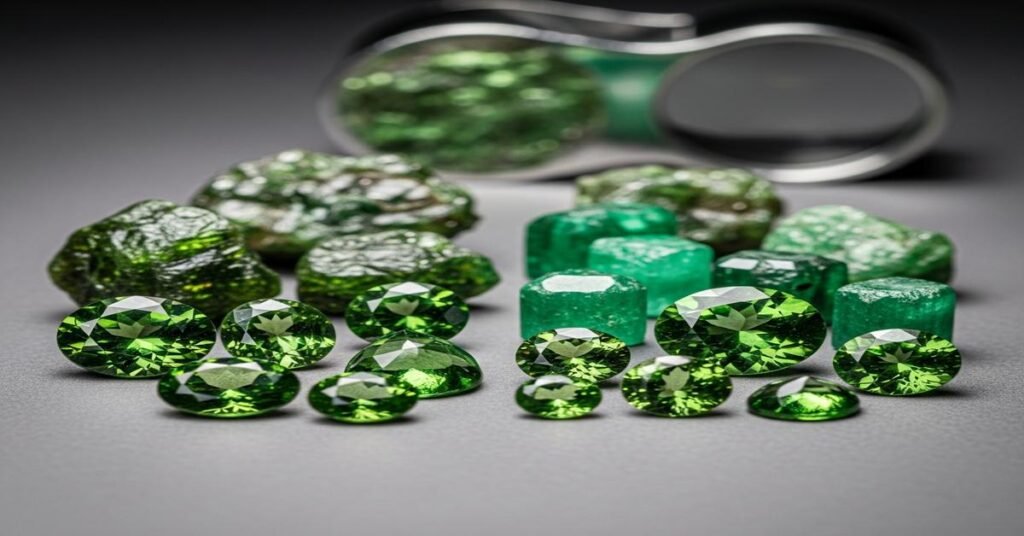
Bright green garnets can be confusing. Demantoid and tsavorite are both natural green garnets, but many “lab-grown garnets” on the market are different man‑made materials (like YAG or GGG) or other simulants sold under vague names. This guide shows you how to separate real demantoid and tsavorite from lab-grown and look‑alike stones using practical, evidence‑based […]
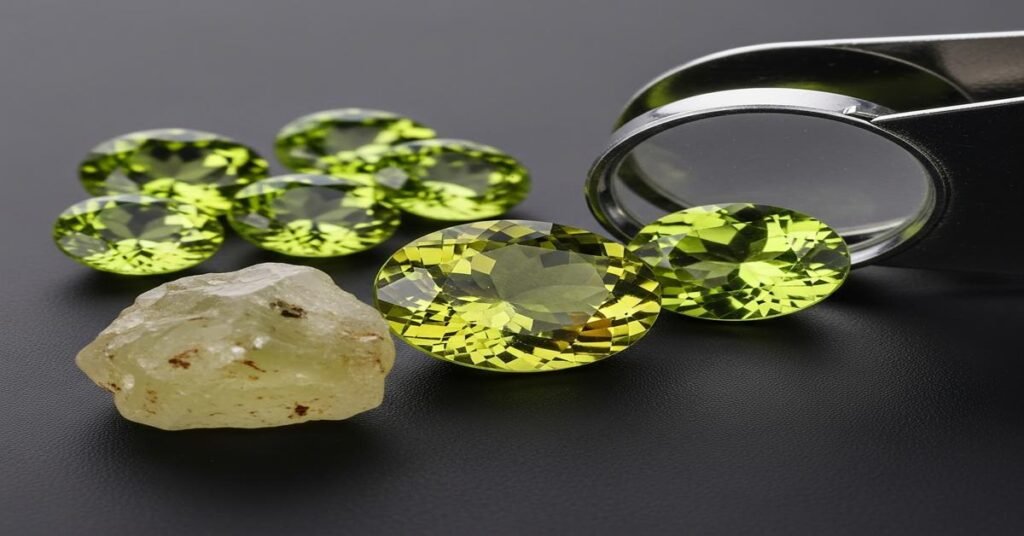
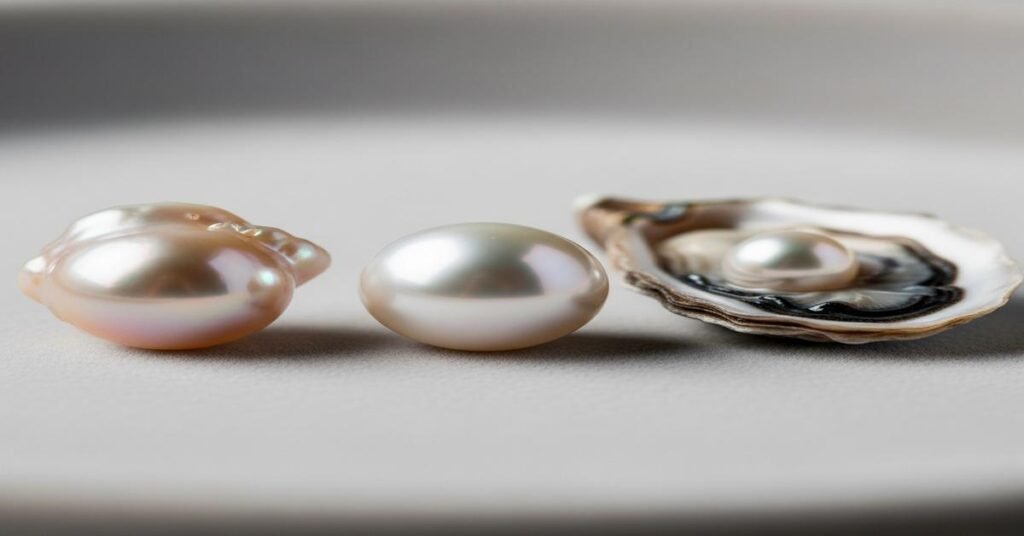
How to identify real Garnets (Demantoid/Tsavorite) vs lab-grown ones: Expert identification guide Read More »

How to identify real Peridots vs lab-grown ones: Expert identification guide

How to identify real Peridots vs lab-grown ones: Expert identification guide

Peridot is one of the few gemstones found only in shades of green. That makes it instantly recognizable, but not always easy to classify. Natural and lab-grown peridots share the same chemistry and many of the same properties, so quick tricks can mislead you. This guide shows you exactly what to look for—at home and

How to identify real Peridots vs lab-grown ones: Expert identification guide Read More »

How to identify real Pearls vs lab-grown ones: Expert identification guide

How to identify real Pearls vs lab-grown ones: Expert identification guide

Pearls are one of the most misrepresented gems. Sellers often use fuzzy terms like “lab-grown,” “shell,” or “synthetic.” Some are real pearls formed in mollusks. Others are man‑made lookalikes. This guide shows you how to tell the difference with simple checks, why those checks work, and when you need a lab report. What “real” means:

How to identify real Pearls vs lab-grown ones: Expert identification guide Read More »

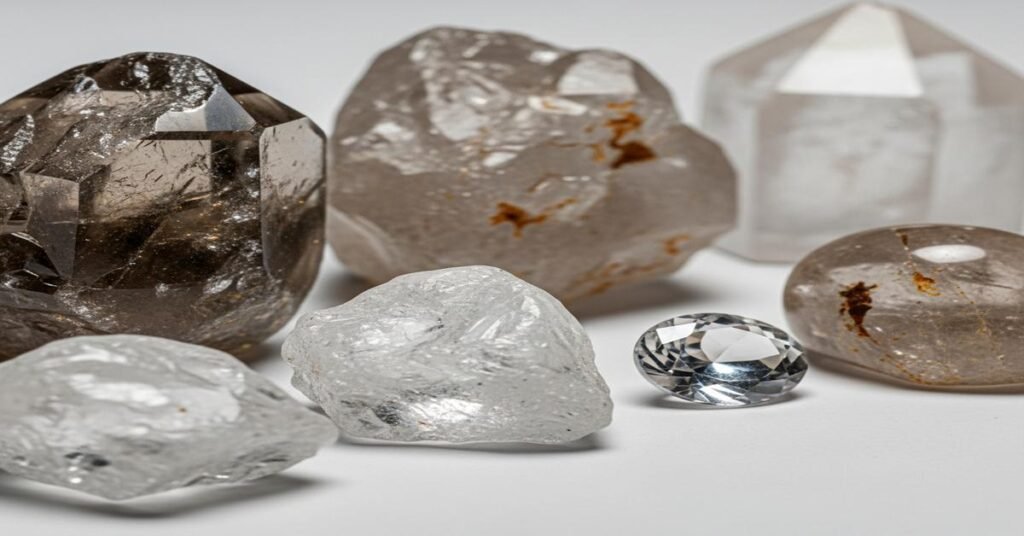
How to identify real Quartz (Smoky/Rock Crystal) vs lab-grown ones: Expert identification guide

How to identify real Quartz (Smoky/Rock Crystal) vs lab-grown ones: Expert identification guide

Quartz shows up everywhere, from humble pebbles to fine gems. Smoky quartz and rock crystal (colorless quartz) are common, often affordable, and often faked. The challenge today is less glass imitations and more hydrothermal lab-grown quartz that looks very convincing. This guide explains how to separate natural quartz from lab-grown material using what you can

How to identify real Quartz (Smoky/Rock Crystal) vs lab-grown ones: Expert identification guide Read More »

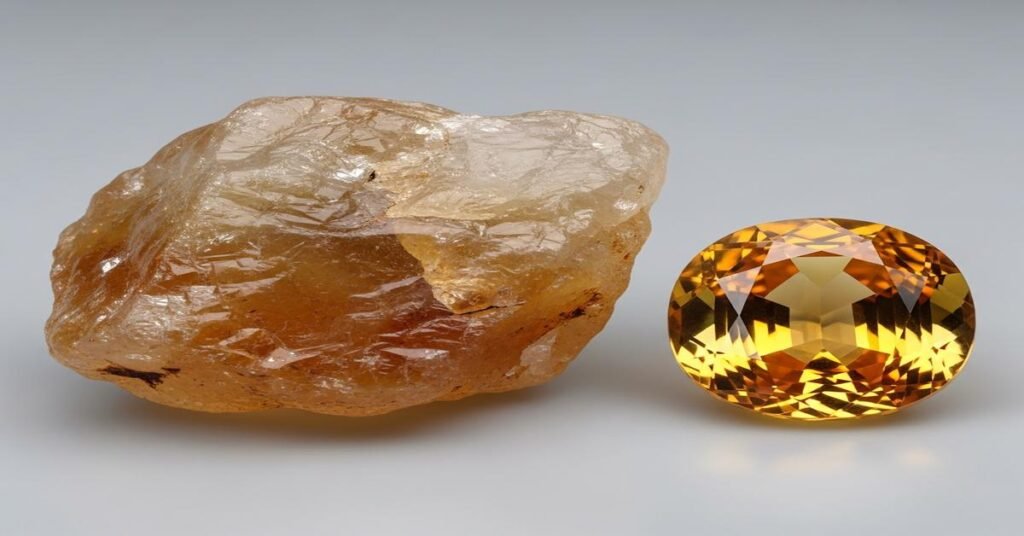
How to identify real Citrines vs lab-grown ones: Expert identification guide

How to identify real Citrines vs lab-grown ones: Expert identification guide

Most citrine on the market looks the same: bright, clean, and evenly golden. But not all of it formed in nature. Some is lab-grown quartz colored to a citrine hue. Much more is natural quartz that was heated to turn purple amethyst into “citrine.” This guide shows you how to separate natural citrine from lab-grown

How to identify real Citrines vs lab-grown ones: Expert identification guide Read More »

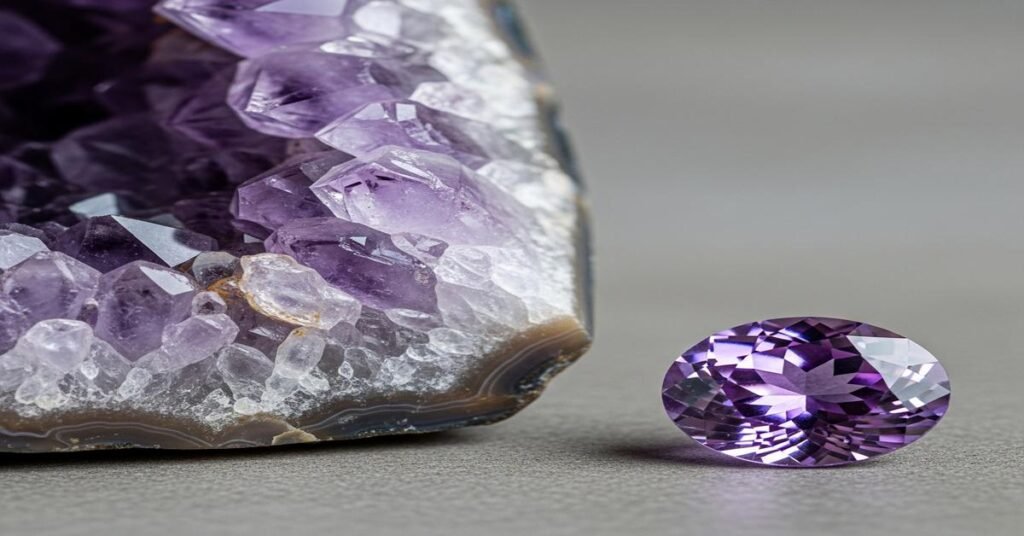
How to identify real Amethysts vs lab-grown ones: Expert identification guide

How to identify real Amethysts vs lab-grown ones: Expert identification guide

Amethyst is a purple variety of quartz. Natural and lab-grown amethyst are chemically and physically the same (both are quartz), so many simple tests cannot tell them apart. The challenge is spotting how they formed. This guide shows you how to confirm a stone is amethyst at all, then how to separate natural from lab-grown

How to identify real Amethysts vs lab-grown ones: Expert identification guide Read More »

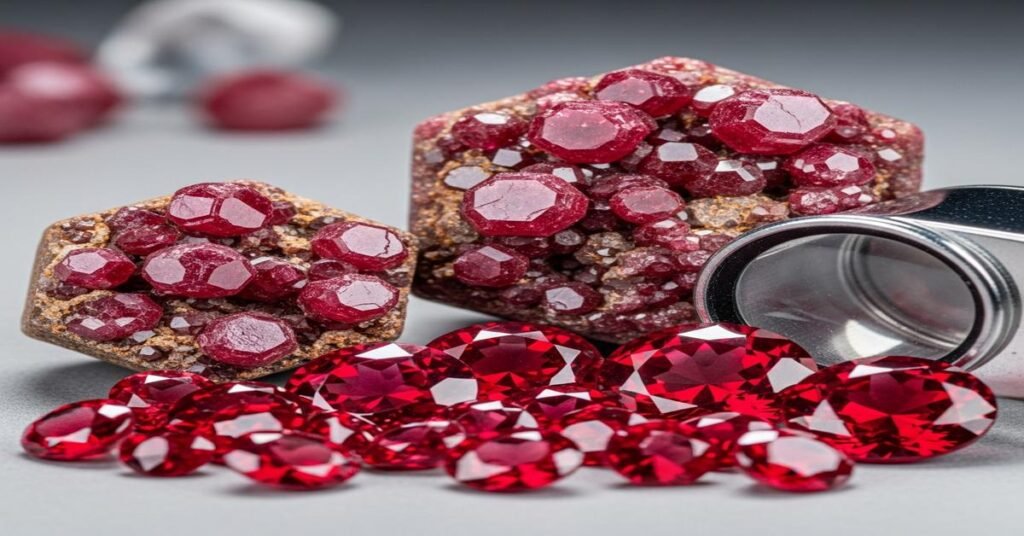
How to identify real Red Beryls (Bixbites) vs lab-grown ones: Expert identification guide

How to identify real Red Beryls (Bixbites) vs lab-grown ones: Expert identification guide

Red beryl (often sold as “bixbite” or “red emerald”) is one of the rarest gemstones on earth. Natural stones are tiny, included, and extremely expensive. Lab-grown red beryl is far more common and often very convincing. This guide shows you how to separate natural from lab-grown with practical tests and why each clue works. You

How to identify real Red Beryls (Bixbites) vs lab-grown ones: Expert identification guide Read More »

How to identify real Morganites vs lab-grown ones: Expert identification guide

How to identify real Morganites vs lab-grown ones: Expert identification guide

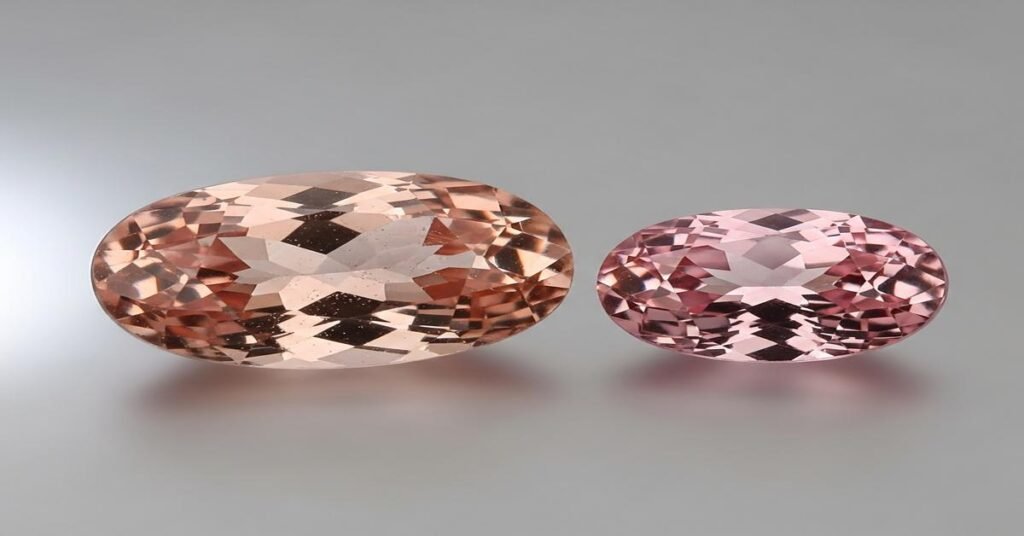
Morganite’s soft pink makes it a favorite for engagement rings and gifts. But today’s market includes natural stones, lab-grown versions, and look‑alikes. Telling them apart is possible if you know what to look for. This guide explains how professionals identify natural morganite versus lab-grown, and how you can make confident checks at home before you

How to identify real Morganites vs lab-grown ones: Expert identification guide Read More »

How to identify real Aquamarines vs lab-grown ones: Expert identification guide

How to identify real Aquamarines vs lab-grown ones: Expert identification guide

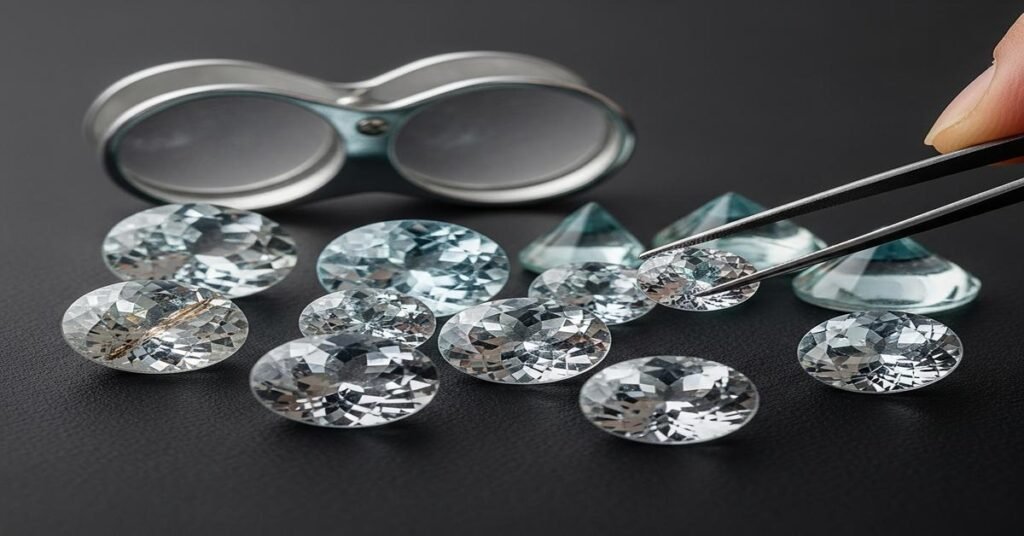
Aquamarine is the blue to greenish-blue variety of beryl. It is prized for its calm color, durability, and clean look. Today, you can find aquamarine that formed in the earth and aquamarine that grew in a lab. Both are real beryl. The challenge is telling them apart, and not confusing either with look‑alikes like blue

How to identify real Aquamarines vs lab-grown ones: Expert identification guide Read More »

How to identify real Spinels vs lab-grown ones: Expert identification guide

How to identify real Spinels vs lab-grown ones: Expert identification guide

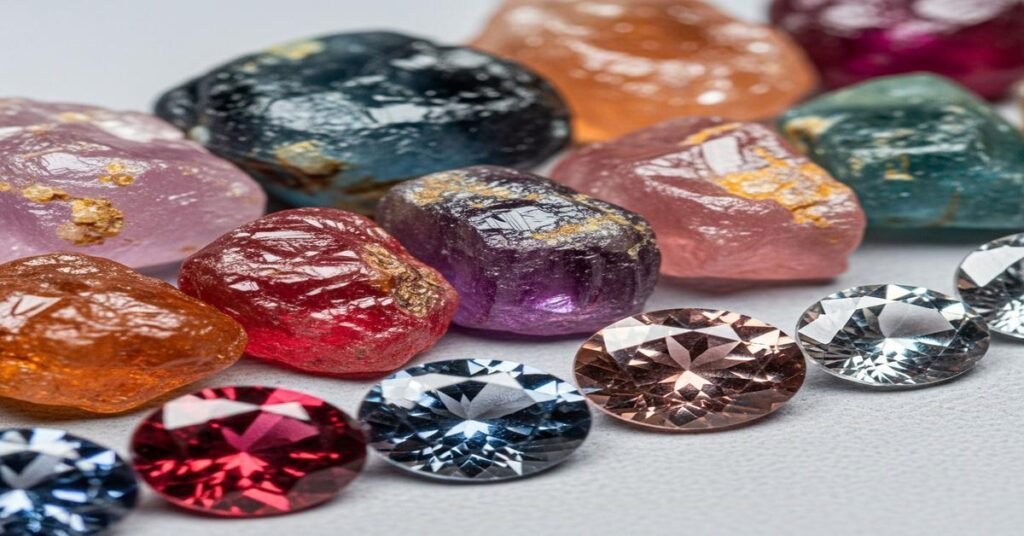
Natural spinel is a beautiful, durable gemstone that comes in many colors. Lab-grown spinel is chemically the same material, but grown by humans. Both can be excellent gemstones. The challenge is telling them apart. This guide shows how experts approach identification, what you can do with simple tools, and when to rely on a laboratory.

How to identify real Spinels vs lab-grown ones: Expert identification guide Read More »