Satyam Pandey

I am Satyam Pandey, a gemologist with a Diploma in Polished Diamond Grading from KGK Academy, Jaipur. I love writing about jewelry, gems, and diamonds, and I share simple, honest reviews and easy buying tips on JewellersReviews.com to help you choose pieces you’ll love with confidence.

Lab-Grown Diamond Scams: Jewelers Are Selling LGDs as Natural, Use This 3-Minute Home Test to Expose the Truth Before You're Fooled.

Lab-Grown Diamond Scams: Jewelers Are Selling LGDs as Natural, Use This 3-Minute Home Test to Expose the Truth Before You’re Fooled.

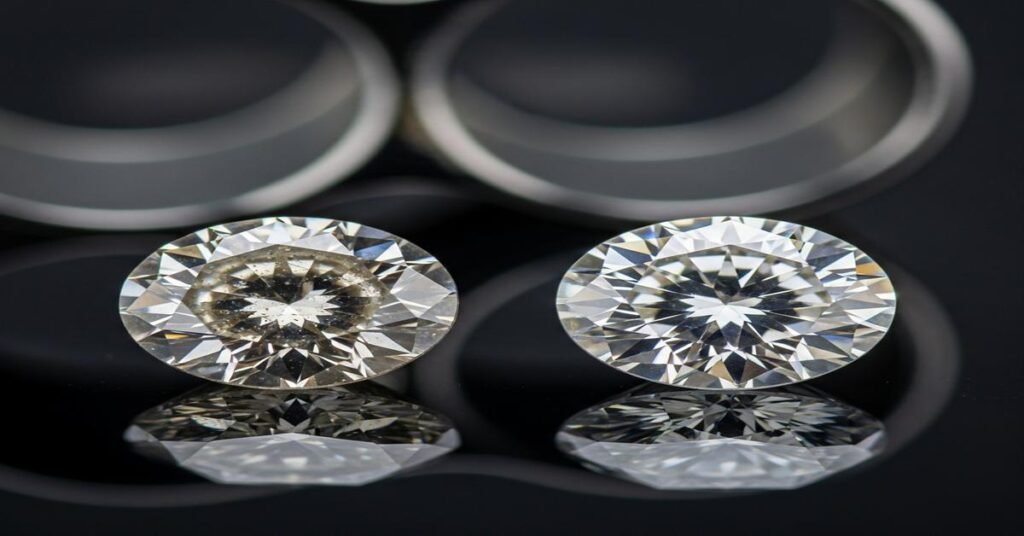
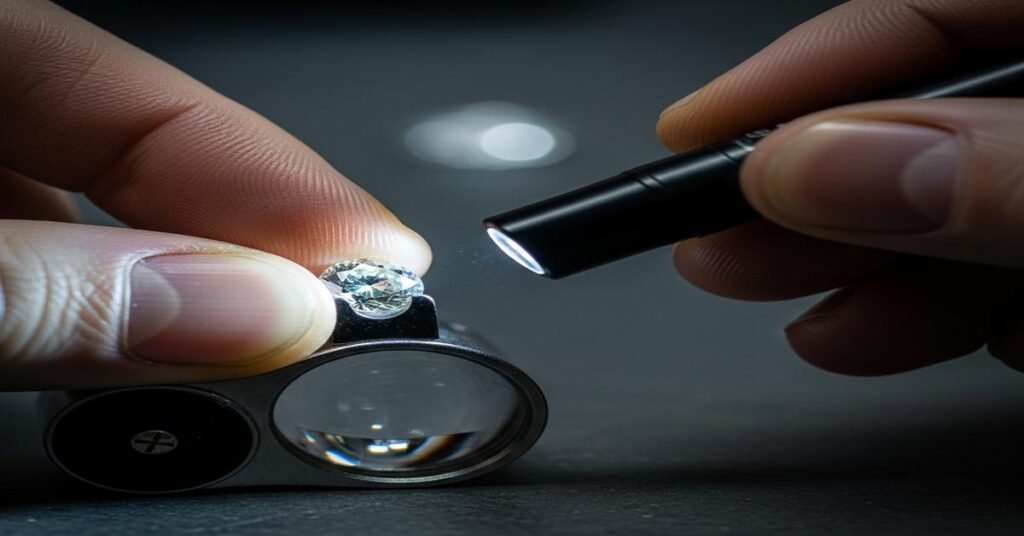
Some jewelers are being caught selling lab-grown diamonds (LGDs) as natural. The stones look the same to the eye, and standard “diamond testers” won’t protect you. The good news: you can do a simple 3-minute check at home that flags most lab-grown stones. It is not a lab-grade verdict, but it can save you from […]
Lab-Grown Diamond Scams: Jewelers Are Selling LGDs as Natural, Use This 3-Minute Home Test to Expose the Truth Before You’re Fooled. Read More »

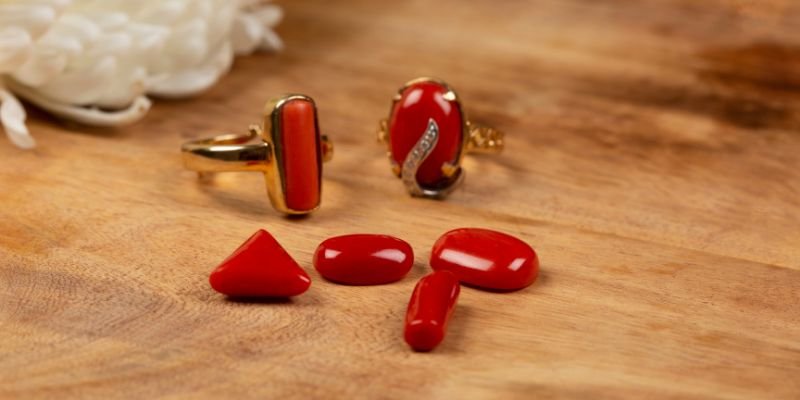
How to identify real Corals vs lab-grown ones: Expert identification guide

Coral jewelry is beautiful but tricky to verify. Real coral is an organic gemstone made of aragonite (a form of calcium carbonate) built by marine animals. Today you’ll also see “lab-grown,” “reconstituted,” “stabilized,” and dyed alternatives that look convincing. This guide explains how experts tell them apart and why each test works, from simple at-home

How to identify real Corals vs lab-grown ones: Expert identification guide Read More »

How to identify real Topazes vs lab-grown ones: Expert identification guide

How to identify real Topazes vs lab-grown ones: Expert identification guide

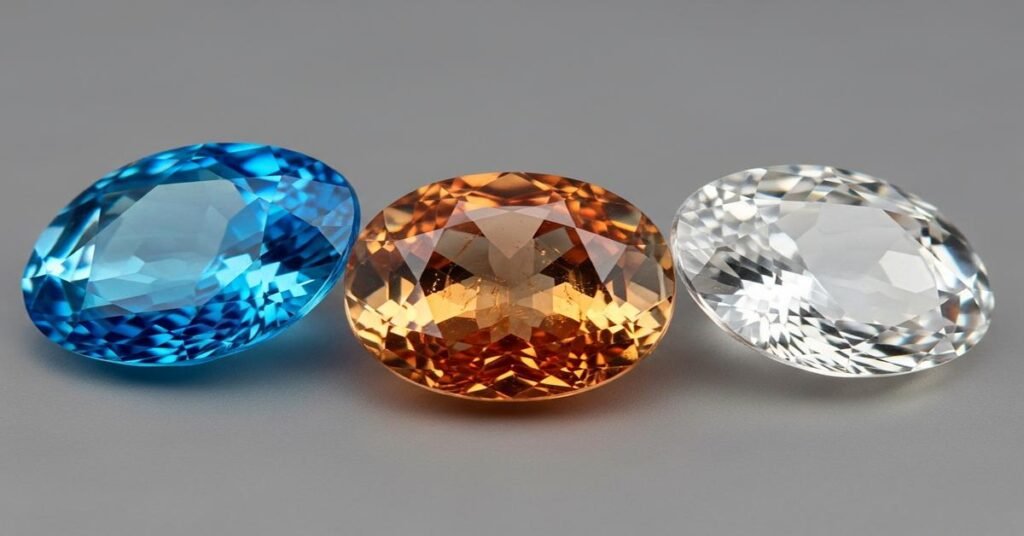
Topaz is a beloved gemstone with a confusing marketplace. You’ll see natural stones, irradiated blues, coated “mystic” pieces, and the occasional lab-grown crystal. This guide shows you how experts separate real topaz from look-alikes and how we tell natural from lab-grown or treated stones. I’ll explain each step and the reason it works, so you

How to identify real Topazes vs lab-grown ones: Expert identification guide Read More »

How to identify real Chrysoberyls (Cat's Eyes) vs lab-grown ones: Expert identification guide

How to identify real Chrysoberyls (Cat’s Eyes) vs lab-grown ones: Expert identification guide

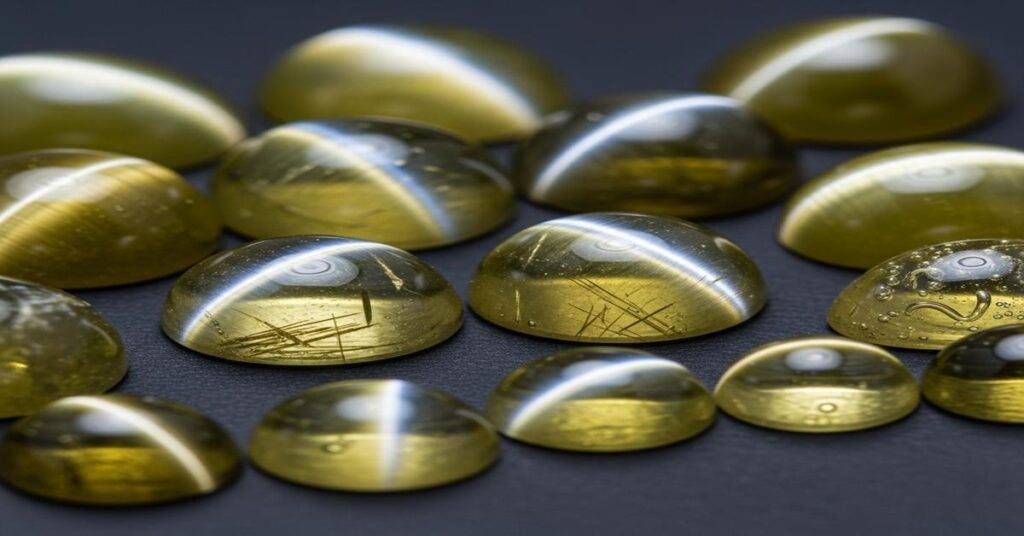
Cat’s eye chrysoberyl is prized for a razor-sharp band of light that glides across the stone. Lab-grown versions and clever imitations can look convincing in photos and even to the naked eye. This guide shows how experts separate natural chrysoberyl from synthetics and lookalikes. You’ll learn what to look for, what to measure, and why

How to identify real Chrysoberyls (Cat’s Eyes) vs lab-grown ones: Expert identification guide Read More »

How to identify real Nephrites vs lab-grown ones: Expert identification guide

How to identify real Nephrites vs lab-grown ones: Expert identification guide

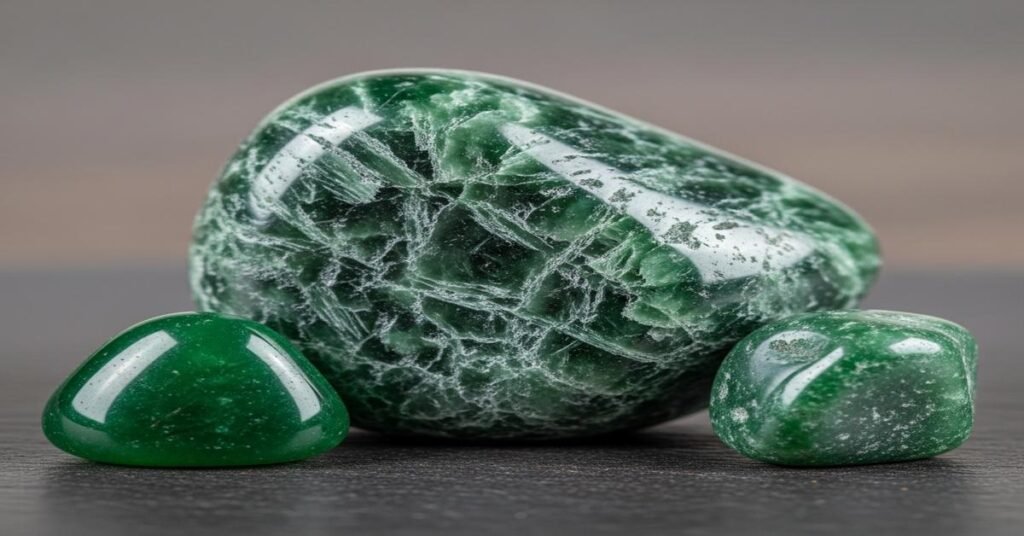
Nephrite is one of the two true jades (the other is jadeite). It’s prized because it’s tough, wearable, and quietly beautiful. But the market is crowded with imitations, dyed stones, polymer-filled pieces, and reconstituted “jade.” This guide shows how to tell natural nephrite from lab-made or man‑made lookalikes using clear, practical tests. You’ll see what

How to identify real Nephrites vs lab-grown ones: Expert identification guide Read More »

How to identify real Jadeites vs lab-grown ones: Expert identification guide

How to identify real Jadeites vs lab-grown ones: Expert identification guide

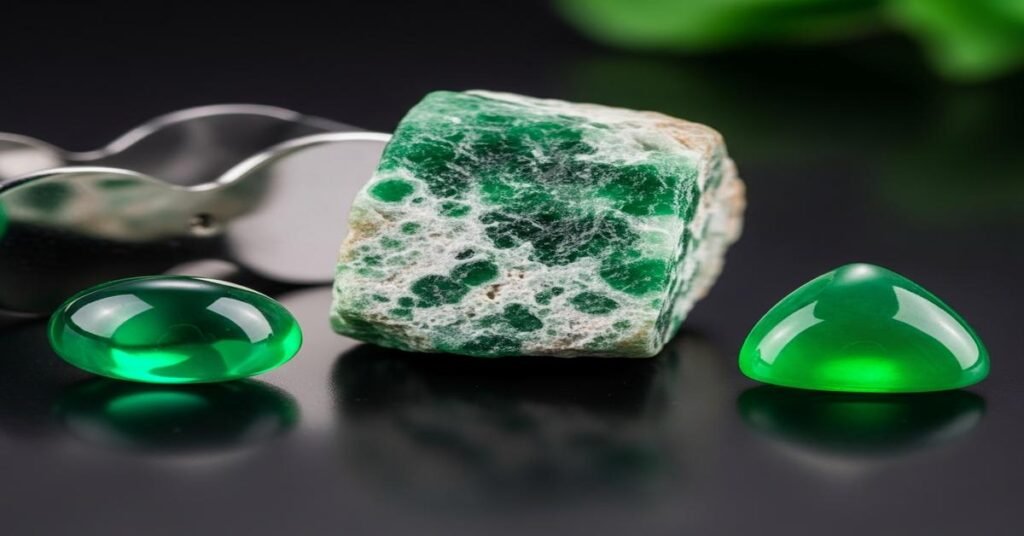
Jadeite can be breathtaking—and expensive. That makes it a target for treatments, lookalikes, and, rarely, lab-grown versions. If you want the real thing, you need more than a quick glance at color. This guide explains how professionals separate natural jadeite from synthetic jadeite and imitations, and what you can do at home before sending a

How to identify real Jadeites vs lab-grown ones: Expert identification guide Read More »

How to identify real Lapis Lazulis vs lab-grown ones: Expert identification guide

How to identify real Lapis Lazulis vs lab-grown ones: Expert identification guide

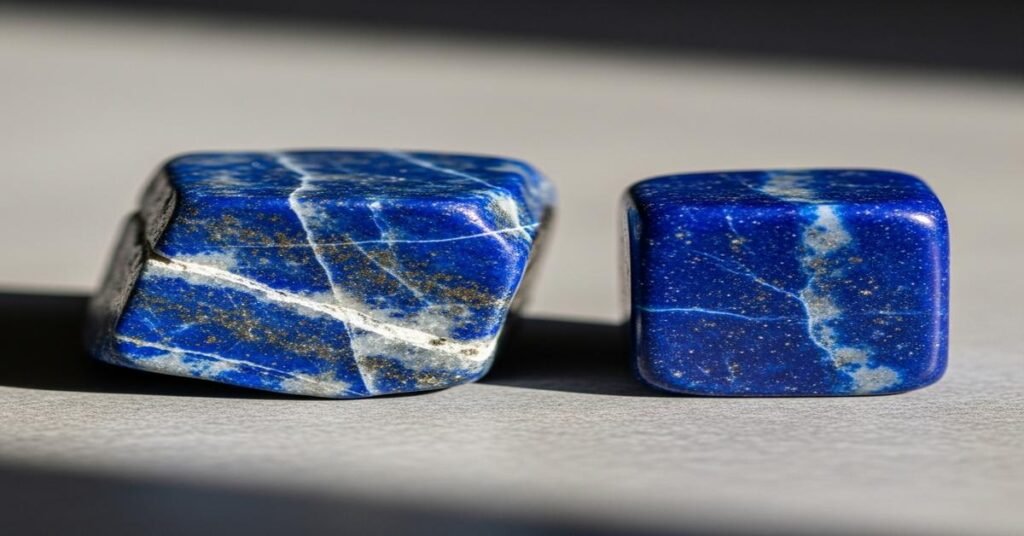
Lapis lazuli is one of the oldest gemstones used by people. It is not a single mineral. It is a rock made mostly of lazurite, with calcite and pyrite mixed in. That mix gives natural lapis its famous deep blue, along with white veins and gold flecks. Today you can also buy lab-grown (synthetic) lapis

How to identify real Lapis Lazulis vs lab-grown ones: Expert identification guide Read More »

How to identify real Turquoises vs lab-grown ones: Expert identification guide

How to identify real Turquoises vs lab-grown ones: Expert identification guide

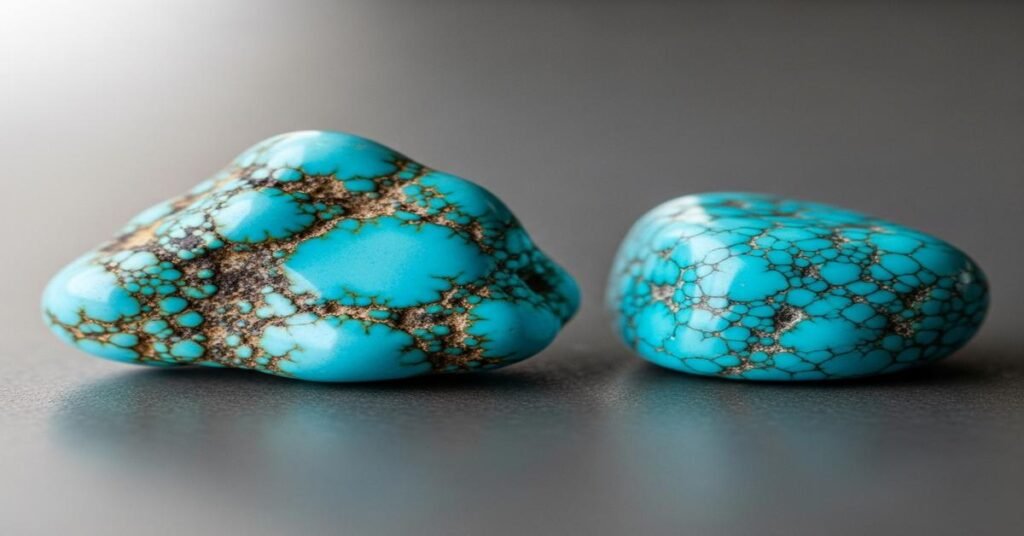
Turquoise is one of the most copied gems in the market. You’ll see natural stones, lab-grown synthetics, stabilized pieces, dyed lookalikes, and resin “block” sold under one name. The difference matters. Natural and properly disclosed stabilized turquoise keep value and wear well. Many imitations do not. This guide shows how to separate real turquoise from

How to identify real Turquoises vs lab-grown ones: Expert identification guide Read More »

How to identify real Padparadschas vs lab-grown ones: Expert identification guide

How to identify real Padparadschas vs lab-grown ones: Expert identification guide

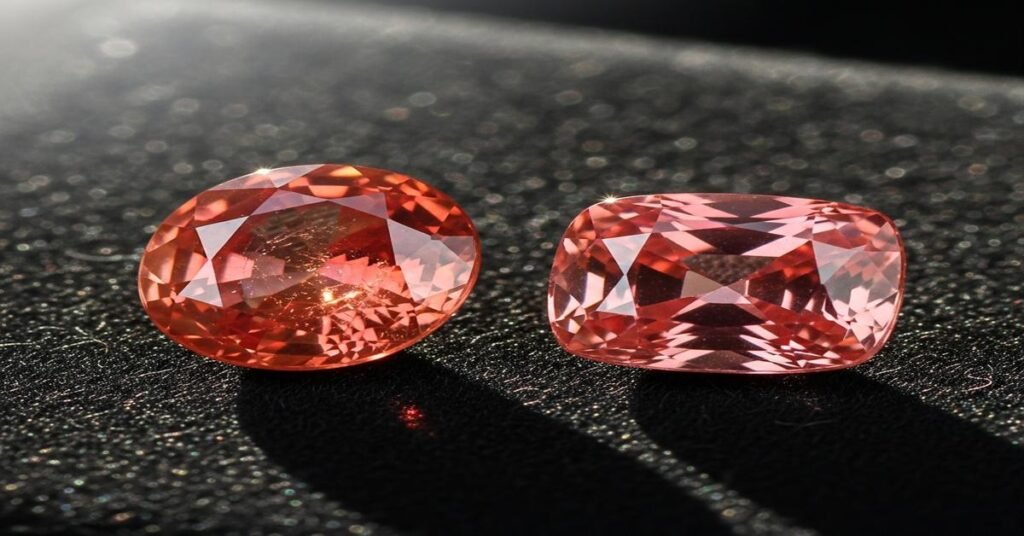
Padparadscha sapphires are rare and confusing. The best ones show a delicate blend of pink and orange that looks like a sunset or lotus flower. Because they are valuable, they are often imitated by lab-grown sapphires and by treated natural sapphires. This guide explains how experts separate natural padparadschas from lab-grown or treated stones, why

How to identify real Padparadschas vs lab-grown ones: Expert identification guide Read More »

How to identify real Moissanites vs lab-grown ones: Expert identification guide

How to identify real Moissanites vs lab-grown ones: Expert identification guide

Most moissanite you see in jewelry is lab-grown. Natural moissanite is a geological rarity and almost never appears as a colorless faceted gem. That’s why confusion is common: people ask if a stone is “real” (genuine silicon carbide) or “lab-grown” (how almost all genuine moissanite is made), and some worry it might actually be diamond,

How to identify real Moissanites vs lab-grown ones: Expert identification guide Read More »