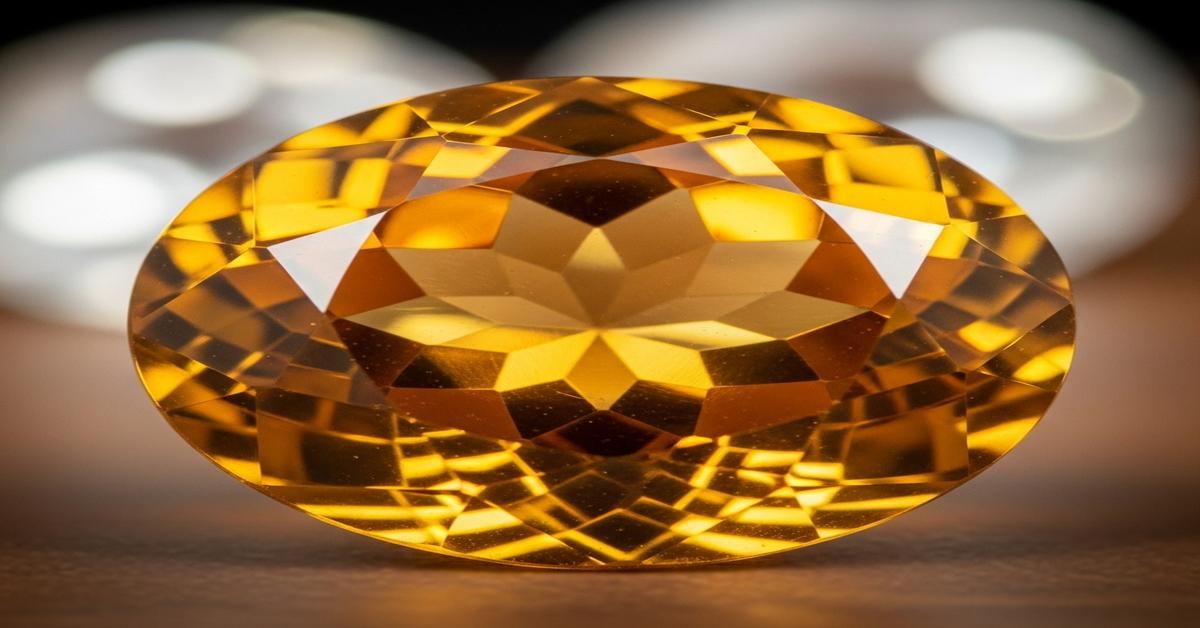
Citrine is a yellow to orange variety of quartz that many people choose when they want a gemstone tied to wealth, confidence, and better business outcomes. It’s affordable, widely available, and visually close to yellow sapphire, so it’s often recommended as a practical alternative. Below I explain how citrine is used for “business luck,” what to look for when buying one, how it compares to yellow sapphire, and how to wear and care for it so it lasts and works the way you expect.
Why people use citrine for business luck
Across cultures, yellow and gold tones are linked to wealth and success. Citrine’s warm color stimulates visibility and optimism. Psychologically, wearing a bright stone can increase confidence and professional presence. Practically, citrine is inexpensive compared with many yellow sapphires. That makes it easier to choose a larger, more visible stone — which can change first impressions in meetings or negotiations.
From an energetic or symbolic point of view, citrine is associated with the solar plexus chakra (confidence, personal power) and with Jupiter in some astrological traditions (expansion, prosperity). These beliefs don’t replace business fundamentals, but they can focus intention. In short: citrine may boost mindset and public presence, which can influence outcomes.
How citrine compares to yellow sapphire (why it’s a top alternative)
Material and durability. Citrine is quartz (SiO2) with a hardness of about 7 on the Mohs scale. Yellow sapphire is corundum (Al2O3), hardness 9. That matters: yellow sapphire resists scratches and wear much better. If you want a piece for daily heavy use, sapphire is superior.
Color and cost. Citrine ranges from pale lemon to deep honey or orange. Rich, clear golden-yellow stones resemble many yellow sapphires at a glance but cost far less. That allows you to buy a bigger, eye-catching citrine (for example, a 10 x 8 mm oval citrine weighing roughly 3–4 ct) for the price of a small sapphire.
Treatment and availability. Most citrines on the market are heat-treated amethyst; the treatment is stable and accepted. Natural, unheated “Madeira” citrine with deep reddish-orange color is rarer and commands higher prices. Yellow sapphires are also treated sometimes but are rarer and more expensive per carat. If budget or size is your concern, citrine is usually the practical choice.
What to look for when buying citrine
- Color: Aim for a clear, saturated golden-yellow to warm honey. Avoid stones with strong brownish or muddy tones. Bright, even color reads as more “prosperous.”
- Clarity: Choose eye-clean citrine. Inclusions are common but visible inclusions reduce visual impact and can weaken the stone.
- Cut: A well-proportioned cut maximizes brilliance. Popular shapes: oval, cushion, emerald step cuts. Faceting should be symmetrical and deep enough to show depth of color.
- Carat size / presence: Citrine is inexpensive enough to choose larger sizes. For a prominent business ring, many people pick 3–8 ct stones (for example, a 12 x 10 mm cushion can be in the 5–8 ct range). If you want a subtle look, 1–3 ct will still be noticeable on a ring or pendant.
- Treatment disclosure: Ask if the stone is heat-treated. That’s routine for citrine, but sellers should disclose it. For expensive stones, request a certificate from a reputable lab.
Setting, metal, and finger choices
Metal: Yellow gold (14k–18k) enhances citrine’s warmth and is a traditional match for prosperity stones. Sterling silver is common and more affordable but will show wear faster. Platinum is fine but often unnecessary for citrine’s price range.
Setting: Because citrine is softer than sapphire, favor protective settings. A bezel or semi-bezel protects the girdle and reduces chips. If you prefer prongs, choose thicker prongs and consider a higher profile to limit side impacts.
Which finger: In Vedic tradition, gems tied to Jupiter are worn on the index finger (right hand for men, left for women in many prescriptions). If you don’t follow astrology strictly, pick a finger you use less aggressively so the stone won’t get banged. For pendants, wear near the heart or solar plexus for visibility and personal focus.
Care and practical use
- Cleaning: Warm soapy water and a soft brush is safe. Most citrines are safe in an ultrasonic cleaner, but avoid ultrasonic/steam if the stone has fractures or if its origin and treatments are unknown.
- Daily wear: Remove citrine rings for heavy manual work, gardening, or sports. Store separately in a soft pouch to prevent scratches from harder gems.
- Damage checks: Inspect prongs and settings periodically. Chips on surfaces can be polished out by a jeweler if minor, but deep damage may require replacement.
Realistic expectations
Wearing citrine can change how you feel and how others perceive you. That can translate into better presentation, more confidence, and more opportunities. But a gemstone does not replace business planning, market research, or skill development. Treat citrine as a tool that supports mindset and presence, not as a guarantee of profit.
Buying checklist
- Confirm color preference—bright golden-yellow vs. deep honey.
- Ask about treatments and request disclosure.
- Choose an eye-clean, well-cut stone; consider 3–8 ct for strong presence.
- Select a protective setting (bezel/semi-bezel) and suitable metal (14k–18k gold recommended).
- Request a return policy and, for high-value purchases, a lab certificate.
In short: citrine is a sensible, cost-effective choice if you want a visible, warm-colored gem linked to prosperity symbolism. It’s not as hard as yellow sapphire, so protect it in a secure setting and care for it properly. Use it to support confidence and focus, and combine it with solid business habits for the best results.

I am G S Sachin, a gemologist with a Diploma in Polished Diamond Grading from KGK Academy, Jaipur. I love writing about jewelry, gems, and diamonds, and I share simple, honest reviews and easy buying tips on JewellersReviews.com to help you choose pieces you’ll love with confidence.