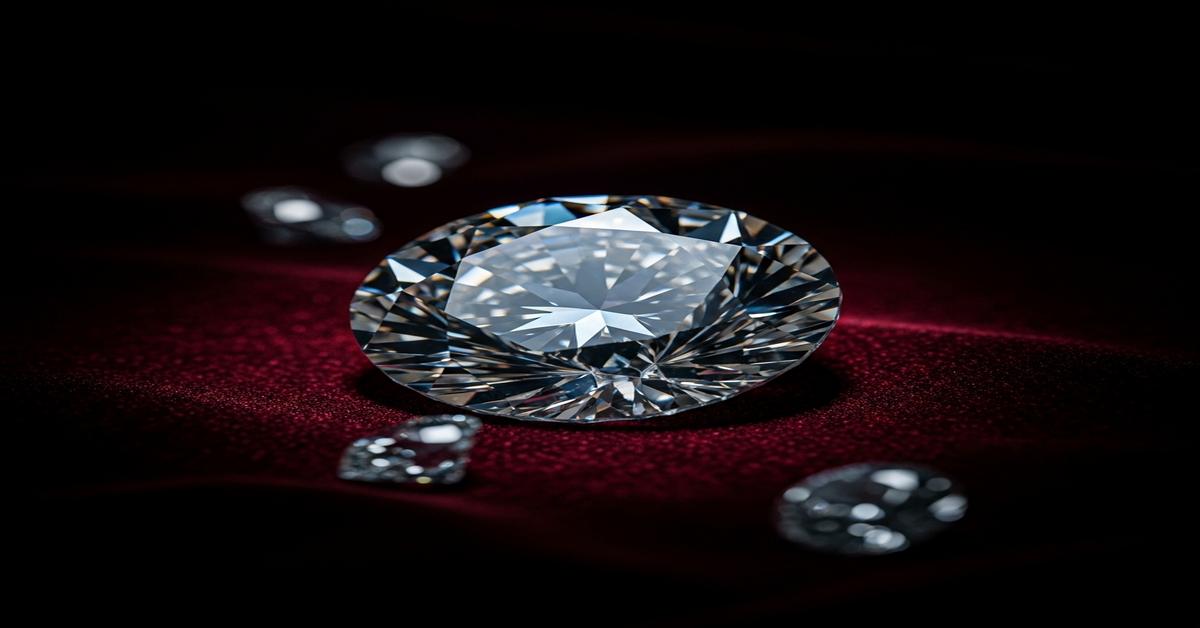
Diamonds are glamorous and durable, which makes them appealing as an asset. But that does not mean they are a straightforward investment. In 2026 the diamond market will be shaped by three forces: continued growth of lab-grown supply, concentrated control of natural supply, and shifting consumer demand in major markets. Below I explain how those forces affect price risk, liquidity, and which kinds of diamonds — if any — can be considered potential investments.
How diamond markets differ from traditional investments
Diamonds are not fungible like gold or stocks. Each stone is unique in carat weight, cut, color, clarity and provenance. That creates two consequences:
- High transaction costs: Retail markups, grading fees, insurance and buyer/seller spreads reduce net returns. Those costs make small-scale holdings hard to profit from.
- Subjective valuation: Price depends on certification and perceived beauty. Even with a GIA report, two apparently similar diamonds can fetch different prices at resale.
Where value is most likely to hold or rise by 2026
Not all diamonds are equal as “investments.” In general, these categories have the best prospects:
- Large, top-quality white diamonds: Stones 2 ct and up, with excellent cuts, D–F color and VVS–IF clarity. Larger sizes are rare, so scarcity supports price. Example: a 3.00 ct round Ideal cut (approx. 9.0–9.5 mm) with D color and IF clarity is far rarer — and often priced many times per-carat higher — than a 0.90–1.10 ct stone.
- Fancy-color natural diamonds: Intense pinks, blues, greens and reds are extremely scarce. Fancy Vivid pink or blue stones show strong historical price performance because supply is tiny and demand from collectors is global.
- Well-documented provenance and brand pieces: Diamonds with museum-quality paperwork, perfect grading (GIA/AGS), or historical provenance can outperform because collectors seek them, not end consumers.
Where the market is weak or risky
These segments face the greatest downside through 2026:
- Small near-colorless melee and < 1 ct stones: Lab-grown supply and mass manufacturing keep prices under pressure for smaller stones. Loss of premium over grown diamonds is likely to continue.
- Uncertified or poorly certified stones: Without reliable grading (GIA or AGS) resale value collapses. Subjectivity in grading increases buyer risk.
- Common commercial goods: Jewelry-grade factory-set diamonds with unknown breakage/setting history are difficult to price and sell by weight alone.
Impact of lab-grown diamonds and supply dynamics
Lab-grown diamonds have changed the market. Since they are chemically identical to natural diamonds, they compete directly in appearance and price. Why this matters:
- Price compression for commercial goods: Lab-grown stones are cheaper to produce. That reduces the retail and wholesale price for near-colorless stones under 1–2 ct.
- Natural top-end remains insulated: Extremely rare natural fancy-color stones and large top-grade naturals cannot be replicated economically at scale, so they keep value.
- Transparency premium: Buyers increasingly value labelling and certificates. Natural stones with impeccable documentation will fare better than otherwise identical uncertified stones.
Practical buying and selling steps
If you are considering diamonds for an investment portfolio, follow a disciplined process:
- Buy only GIA or AGS certified stones: These labs are the market standard. Ask for the full report and laser inscription number on the girdle.
- Focus on rarity: Target stones 2 ct+ for white diamonds or any natural fancy vivid color. For round brilliants, know typical measurements: 1.00 ct ≈ 6.4–6.5 mm; 2.00 ct ≈ 8.0–8.2 mm.
- Verify cut quality: The best returns come from Ideal/Excellent cuts where light performance is documented or measured.
- Check provenance and chain of custody: Kimberley Process compliance is basic; additionally prefer suppliers who document origin and provide receipts and insurance appraisals.
- Plan for storage and insurance: Professional vaulting and insurance add ongoing costs. Expect to pay for secure storage and specialist insurance rather than household coverage.
- Budget for selling costs: Auctions, brokers and dealers charge fees and commissions. Estimate a 10–30% spread when projecting resale revenue (varies greatly by stone and channel).
How to judge potential returns
Compare diamonds to alternatives. Historically, large natural diamonds and fancy colors have outperformed mass-market diamonds, but even they are volatile. Unlike stocks or bonds, diamonds produce no income and are illiquid. Consider these metrics:
- Per-carat price step-ups: Notable leaps occur at milestone weights (0.50 ct, 1.00 ct, 2.00 ct). A 1.00 ct round can command a much higher per-carat price than a 0.95 ct similar stone, so weight thresholds matter.
- Market concentration: A few buyers often control high-end demand. That can drive rapid price moves but also risk if demand softens.
- Holding period: Diamonds generally require longer holding periods to overcome transaction costs. Expect to hold for 5–10 years to have a reasonable chance of appreciation for top quality pieces.
Red flags and final recommendations
Beware of sellers promising guaranteed returns, buybacks, or “diamond funds” with opaque pricing. Also be cautious about:
- Unclear grading or mixed lab reports.
- High-pressure sales to buy quickly for “investment reasons.”
- Trying to flip small stones for short-term gains.
Bottom line: as of 2026, diamonds can be a profitable niche investment — but only in rare, well-documented natural stones (large white diamonds, or fancy-color naturals). For most buyers, diamonds are better thought of as jewelry: purchase for enjoyment and treat any investment return as a secondary outcome. If you aim to invest, concentrate on rarity, certification, secure storage, and realistic expectations about liquidity and fees.

I am G S Sachin, a gemologist with a Diploma in Polished Diamond Grading from KGK Academy, Jaipur. I love writing about jewelry, gems, and diamonds, and I share simple, honest reviews and easy buying tips on JewellersReviews.com to help you choose pieces you’ll love with confidence.